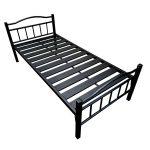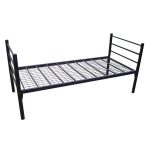

Sourcing full steel bed frames in bulk might seem straightforward. You find a supplier, agree on a price, and place your order. But anyone who has managed hotel Furniture, outfitted a large dormitory, or run a furniture wholesale business knows the reality: the difference between a good deal and a great deal lies in the details.
If you're feeling unsure about negotiations or worried about hidden costs, you're not alone. A bulk purchase is a significant investment in your business's bottom line and reputation. Getting it right means maximizing your margins and ensuring your end customers are happy.
This comprehensive bulk buying guide is designed for professional buyers like you. We'll walk through a strategic checklist to help you secure the best value on full steel bed frames—not just the lowest price, but the best combination of cost, quality, and reliability.
Why a Strategic Approach to Bulk Buying Matters
Before we dive into the tactics, understand this: in bulk procurement, the purchase order is just the beginning. A smart sourcing strategy will:
- Protect your profit margins by avoiding unforeseen costs (like poor packaging or last-minute freight charges).
- Ensure product consistency across hundreds or thousands of units.
- Build a reliable supply chain that delivers on time, every time.
- Minimize post-purchase headaches like warranty claims or quality issues.
Let's start with the most critical strategic decision: who you buy from.
Supplier Vetting: The Foundation of a Good Deal
The cheapest quote is rarely the cheapest in the long run. Your choice of partner determines everything.
The Reliable Steel Bed Manufacturer: Your Strategic Partner
What to Look For:
A genuine manufacturer with their own production line, not just a trading company.
Pros of a Direct Partnership:
- True Cost Control: You eliminate middleman markups, gaining better pricing and negotiation power.
- Quality Oversight: You can audit the factory, inspect raw materials (steel gauge, welding), and ensure consistent production standards.
- Customization Capability: Need a specific color, a reinforced frame, or your logo stamped on the headboard? A real factory can accommodate OEM (Original Equipment Manufacturer) requests.
- Accountability: Direct communication means faster problem-solving if issues arise with your container.
Potential Challenges:
- Minimum Order Quantities (MOQs): Factories typically have higher MOQs than traders.
- Communication Nuances: Working directly requires clear technical specifications and sometimes bridging language or cultural gaps in business practices.
The Middleman/Trader: A Risky Shortcut
What They Are: Intermediaries who source from multiple factories but don't manufacture themselves.
Pros:
- Wide Product Range: They can often source different types of products from various factories in one go.
- Lower MOQs: Useful for very small bulk trials.
Cons:
- Marked-Up Prices: You pay for their service, reducing your margin.
- Limited Quality Control: They inspect finished goods; they don't control the production process. Issues are found too late.
- Accountability Gaps: If quality fails, it's harder to get resolution—the factory blames the trader, and vice versa.
The Verdict on Suppliers:
For serious volume, partnering directly with a proven steel bed manufacturer offers the best long-term value. You're not just buying products; you're investing in a supply chain you can control.
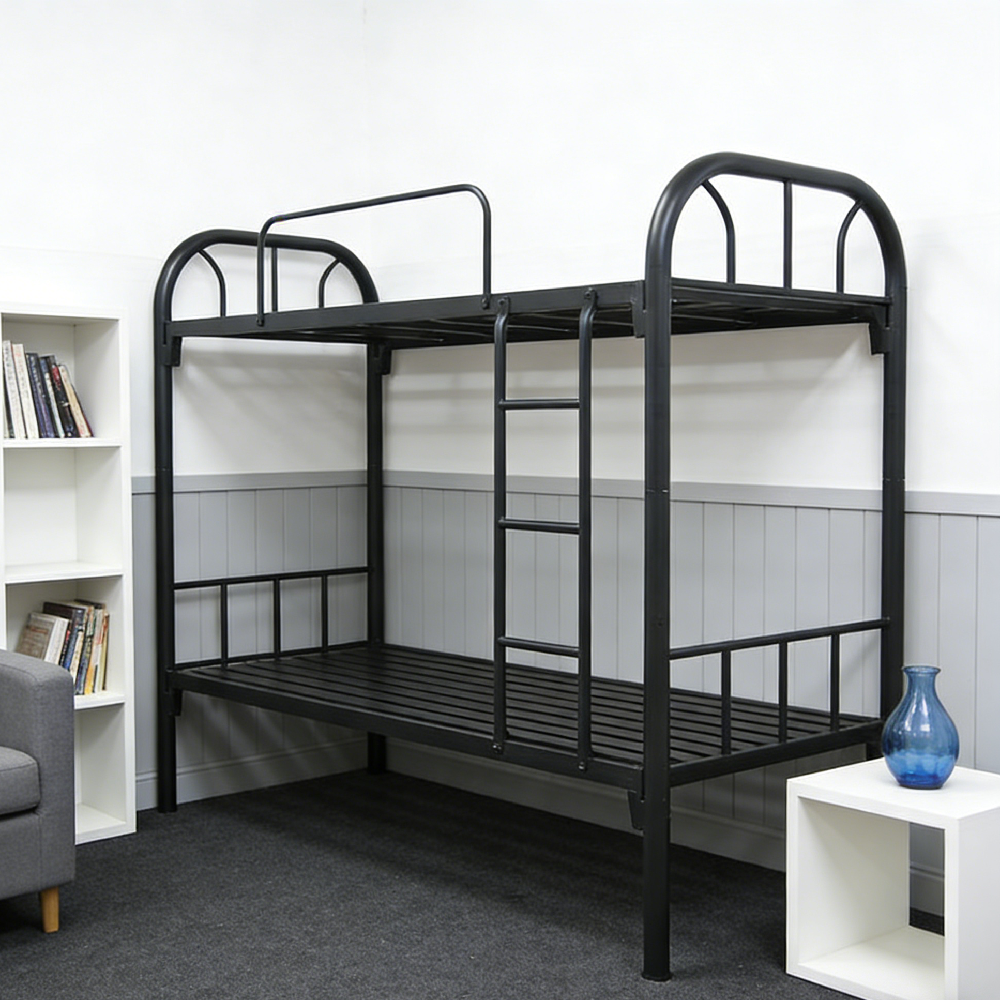
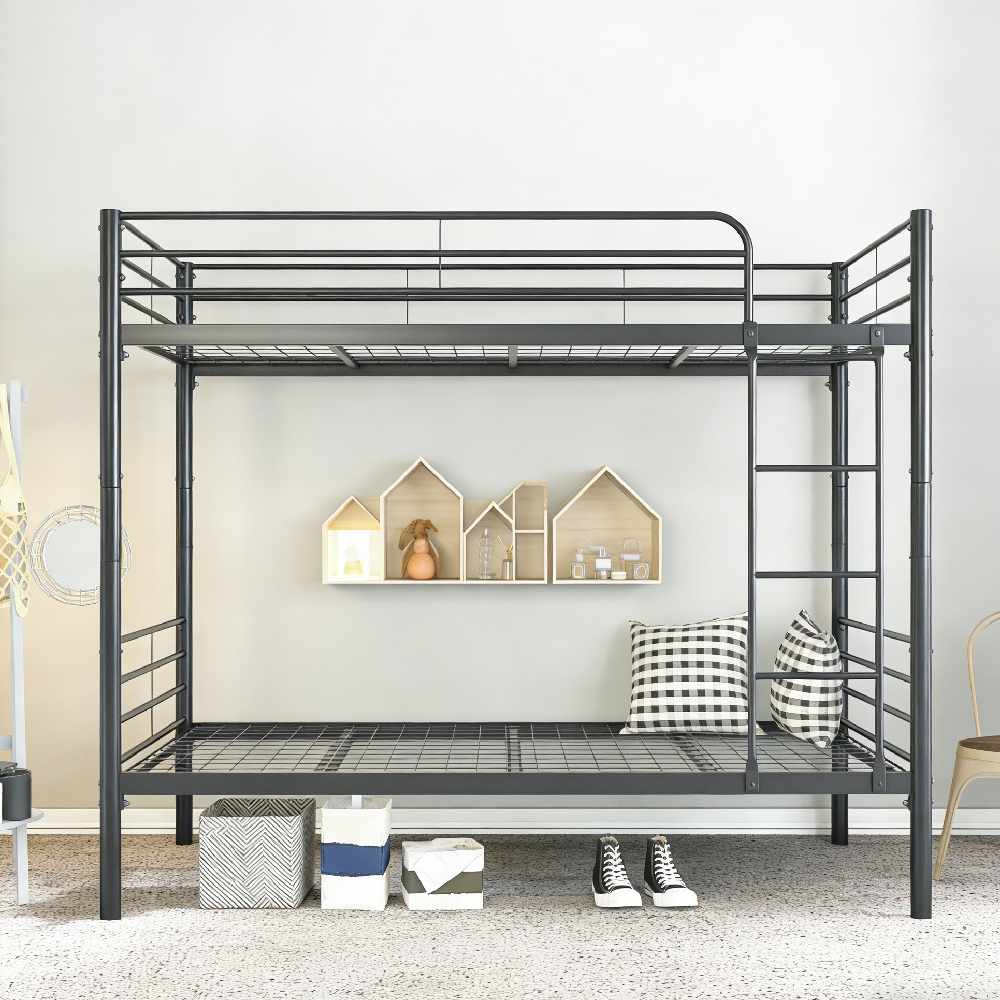

Your Bulk Buying Checklist: 7 Steps to the Best Deal
Now, use this checklist to structure your negotiation and secure optimal terms.
1. Define Your Technical Specifications Meticulously
Vague requests invite vague (and disappointing) quotes. Before you ask for pricing, know your:
- Steel Gauge: Specify the exact millimeter thickness (e.g., main frame 1.2mm or 1.5mm). Thicker steel means higher durability and a higher price point for your customers.
- Finish: Demand epoxy powder coating. Specify the color (e.g., RAL 9003 Signal White) and the minimum coating thickness.
- Construction: Detail the joint type (e.g., bolted with reinforced brackets) and welding standards.
- Weight Capacity: State the required safe working load (e.g., 300kg static test).
- Packaging: Specify export standard cartons, palletizing, and corner protectors to prevent transit damage.
2. Get Volume-Based Tiered Pricing
Don't just ask for a price for your current quantity. Ask: "What is the unit price for 100, 300, 500, and 1,000 units?" You'll often find significant price breaks at certain thresholds. Knowing these tiers helps you plan future purchases and negotiate.
3. Negotiate the Full Commercial Terms
Price Per Unit is just one piece. Negotiate the entire package:
- Payment Terms: Can you move from 50% deposit / 50% balance to 30% / 70%? Or even a Letter of Credit (L/C) for very large sums?
- Incoterms: Understand who is responsible for shipping and insurance. Is the quote FOB (Free on Board - port of loading) or CIF (Cost, Insurance, Freight - to your port)? This significantly impacts your total landed cost.
- Lead Time: Get a confirmed production and shipping schedule in writing. Factor in potential delays like public holidays.
4. Secure a Pre-Production Sample
Never skip this step. Order a sample of the exact specification you intend to buy.
- Inspect it physically: Check all welds, joints, and the finish.
- Assemble it: Confirm the instructions are clear and hardware is complete.
- Measure it: Verify dimensions and steel thickness with a caliper.
- Keep it: This becomes your "golden sample" for quality checking the mass production.
5. Audit Quality Control (QC) Processes
Ask your supplier about their QC checks.
- During Production: Do they inspect raw materials and in-process welding?
- Pre-Shipment Inspection: What is their finished goods inspection procedure? Is there a formal QC report? Consider hiring a third-party inspection agency to check the goods at the factory before they are containerized.
6. Clarify the After-Sales Warranty
A reliable steel bed manufacturer stands behind their product.
- Warranty Term: A standard structural warranty for commercial steel beds is often 3-5 years.
- What's Covered: Frame defects? Finish (coating) issues? Hardware?
- The Claim Process: How are issues handled? Will they replace parts or provide a credit? Have this agreed in writing before you order.
7. Plan for Logistics and Import
Work with your freight forwarder early.
- Consolidation: If buying multiple items, can they be consolidated into full container loads (FCL) to save costs?
- Documentation: Ensure the supplier provides all necessary customs documents (Commercial Invoice, Packing List, Bill of Lading, and any required certificates).
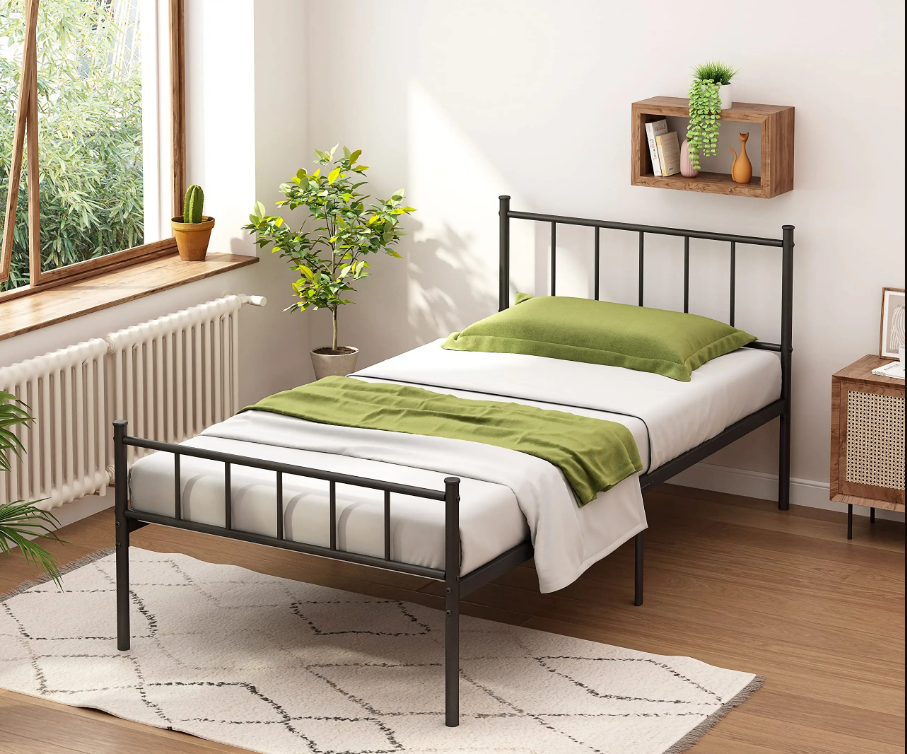

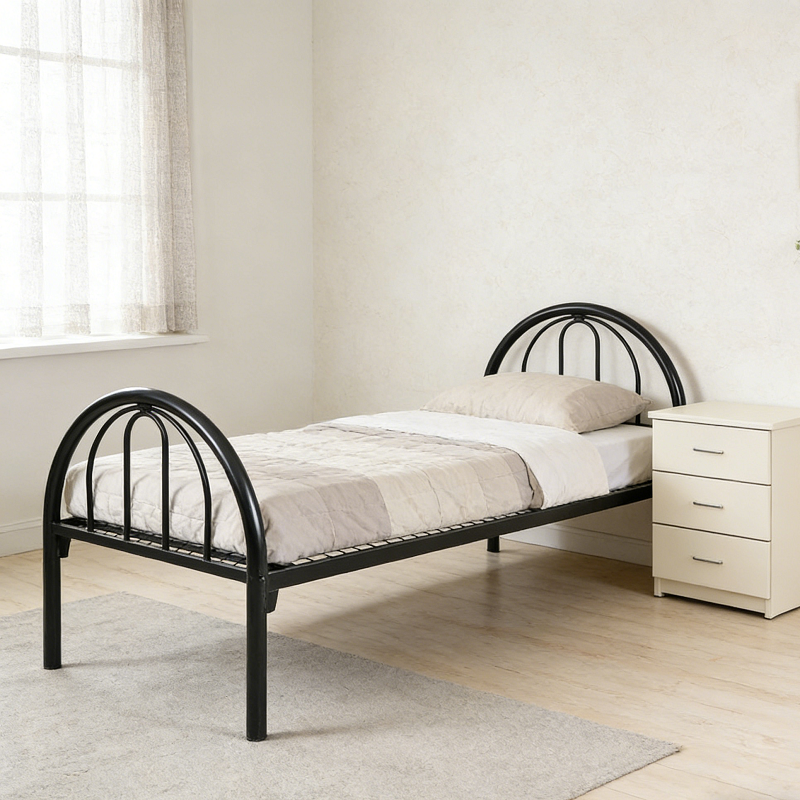
Red Flags to Avoid in Bulk Negotiations
Watch for these warning signs during your sourcing process:
The Price That's Too Good to Be True
If a quote is significantly lower than others, demand to know why. It almost always means thinner steel, a poor finish, or substandard packaging that will lead to damage.
Refusal to Provide a Sample
A supplier unwilling to send a pre-production sample is hiding something. Do not proceed without one.
Vague Answers on Specifications
If the salesperson can't tell you the steel gauge, the coating type, or the weight capacity, they lack technical knowledge or are hiding poor specs.
Unclear Communication on Lead Times
Vague promises like "We'll ship soon" are a recipe for disaster. Demand clear, written production and shipping dates.
The Bottom Line
Securing the best deal on bulk full steel bed frames is a process, not a transaction. It's about finding a trustworthy steel bed manufacturer, defining your needs precisely, negotiating the full commercial package, and verifying quality at every step.
A strategic approach protects your investment, ensures your customers receive a quality product, and builds a foundation for a profitable, long-term partnership.