
In industrial environments, durability, security, and functionality are non-negotiable when selecting storage solutions. Heavy-duty steel lockers are a top choice for factories, warehouses, construction sites, and workshops due to their robust construction and ability to withstand harsh conditions. However, not all steel lockers are created equal. To ensure you invest in lockers that meet your specific needs, this guide will walk you through key considerations, from material quality to customization options.
1. Assess Your Industrial Environment
Before diving into specifications, evaluate the conditions where the lockers will be used:
- Exposure to Moisture/Corrosion: If the lockers will be placed in damp areas (e.g., near chemical storage or outdoor sites), prioritize galvanized steel or powder-coated finishes to prevent rust.
- Temperature Extremes: For freezers or hot workshops, choose lockers rated for temperature resistance.
- Impact Risk: In high-traffic zones, opt for lockers with reinforced doors and frames to resist dents and scratches.
- Chemical Exposure: If chemicals or solvents are present, select lockers with chemical-resistant coatings.
2. Material Quality: The Foundation of Durability
Heavy-duty steel lockers derive their strength from:
- Gauge of Steel: The lower the gauge number, the thicker the steel. For industrial use, aim for 14- to 16-gauge steel (thicker than standard office lockers).
- Construction Type:
- Welded Seams: Offer superior strength compared to riveted or bolted designs.
- Reinforced Frames: Look for lockers with double-wall construction or additional bracing for added rigidity.
- Coatings: Powder coating is ideal for industrial settings as it resists chipping, scratching, and corrosion better than paint.
3. Locking Mechanisms: Security First
Industrial lockers must protect valuable tools, equipment, or personal items. Common locking options include:
- Padlock Hasps: Simple and cost-effective, but less secure.
- Keyed Cam Locks: Provide individual key access; suitable for small teams.
- Electronic Keypad Locks: Offer keyless entry and audit trails for high-security areas.
- Master-Keyed Systems: Allow supervisors to access all lockers while employees retain individual keys.
- RFID/Biometric Locks: Advanced options for high-security zones requiring traceability.
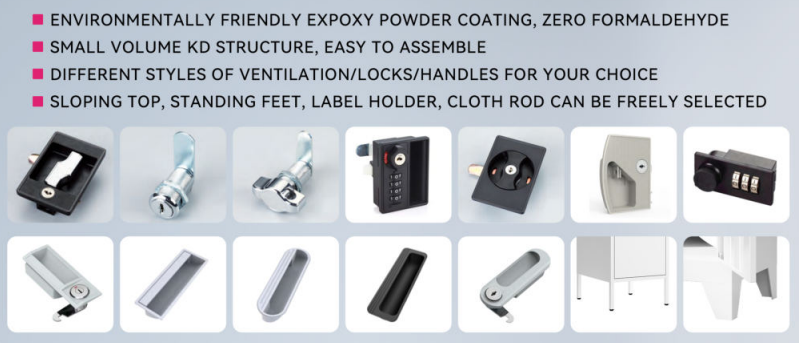
Pro Tip: For shared workspaces, consider lockers with built-in combination locks to eliminate lost keys.
4. Size and Configuration: Maximize Space Efficiency
Industrial lockers come in various sizes and layouts:
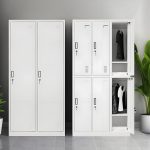
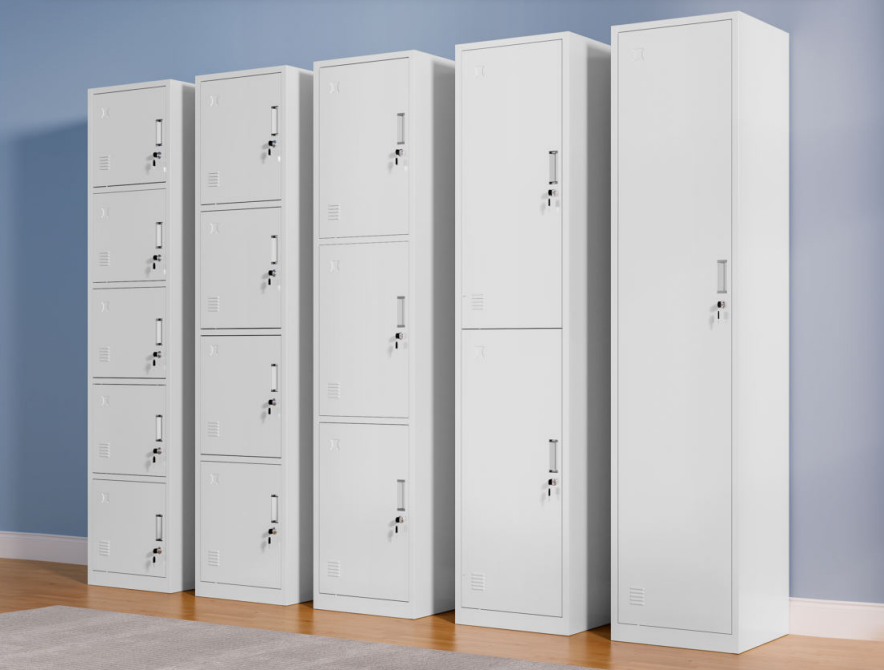
- Single-Tier Lockers: Full-height compartments for storing larger items like helmets or boots.
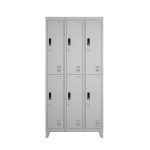
- Multi-Tier Lockers (2-6 tiers): Space-saving for storing smaller personal items (e.g., phones, wallets).
- Custom Dimensions: If standard sizes don’t fit, opt for manufacturers offering bespoke solutions.
- Ventilation: Choose lockers with louvred doors or ventilation slots to prevent odor buildup and moisture retention.
5. Accessibility and Ergonomics
- Door Design: Swing doors are standard, but sliding doors save space in tight areas.
- Handle Type: Recessed handles reduce snagging risks in busy aisles.
- Adjustable Shelves: Some lockers include removable shelves for flexible storage.
- Leg Levelers: Ensure stability on uneven floors.
6. Compliance and Safety Standards
Ensure lockers meet industry-specific regulations:
- Fire Safety: Look for fire-rated lockers if storing flammable materials.
- OSHA Compliance: Verify that lockers comply with workplace safety guidelines (e.g., proper ventilation, non-toxic coatings).
- Anti-Tip Features: For multi-tier lockers, check for wall-mounting brackets or anti-tip kits.
7. Customization Options
Many manufacturers offer add-ons to tailor lockers to your needs:
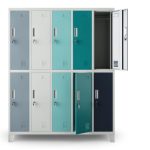
- Color Coding: Differentiate departments or teams with colored doors or frames.
- Number Plates/Labels: Improve organization with engraved or adhesive labels.
- Internal Dividers: Partition compartments for storing multiple items securely.
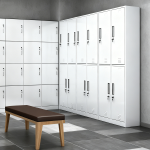
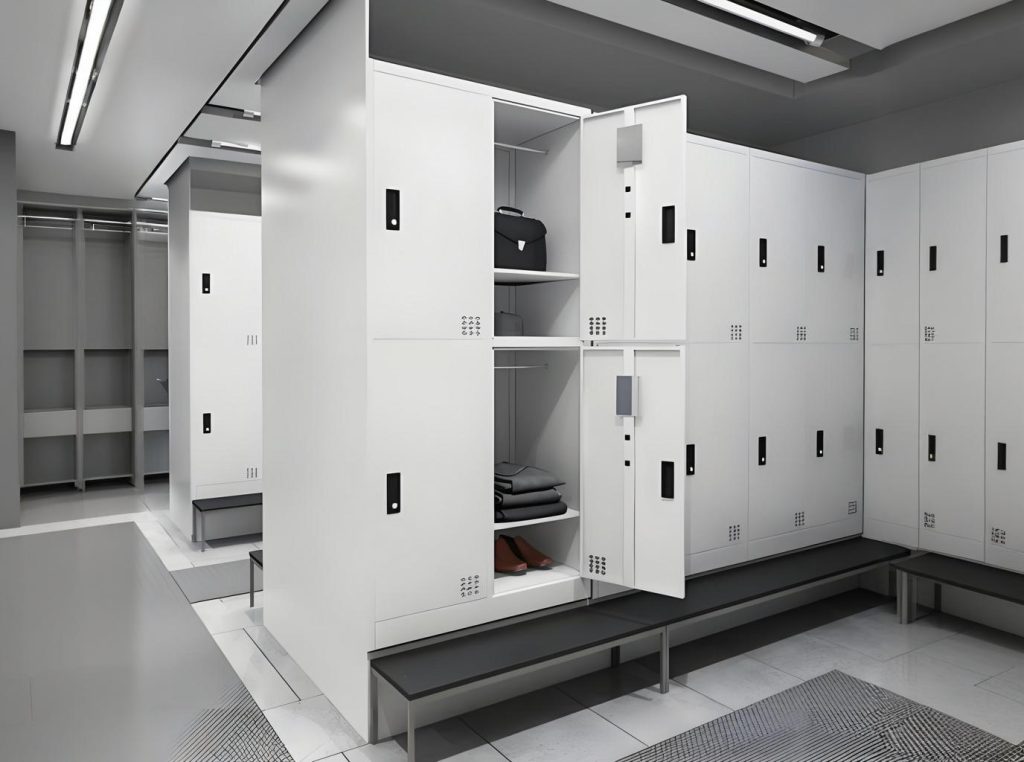
- Locker Benches: Combine seating with storage for changing areas.
8. Budget Considerations
While cost is important, prioritize value over the cheapest option. A slightly higher upfront investment in a durable locker can save money long-term by reducing replacements and repairs. Compare quotes from reputable suppliers and factor in:
- Warranty Coverage: Look for 5+ years of protection against defects.
- Maintenance Costs: Easy-to-clean finishes reduce upkeep expenses.
9. Supplier Reputation and Support
Choose a supplier with:
- Industry Experience: Proven track record in supplying industrial clients.
- Customer Reviews: Check testimonials for reliability and after-sales service.
- Delivery and Installation: Some suppliers offer on-site assembly, saving time and effort.
Final Thoughts
Selecting heavy-duty steel lockers for industrial use requires balancing durability, security, and practicality. By assessing your environment, prioritizing robust materials, and customizing features to your workflow, you can ensure your investment enhances safety and efficiency for years to come.