
Small space living isn't just a trend—it's a reality for millions of people. City apartments, studio flats, tiny homes, and even compact bedrooms all share the same challenge: how to fit everything you need into the space you have.
Your bed is the biggest piece of furniture in any bedroom. In a small space, it can easily overwhelm the room, leaving you cramped, cluttered, and uncomfortable.
But here's the good news: a steel single bed might be the perfect solution.
Steel beds offer unique advantages for small spaces—strength without bulk, design flexibility, and options that maximize every square inch. This guide will walk you through exactly how to choose the perfect steel single bed for your compact space.
Why Steel Is Ideal for Small Spaces
Before diving into specific designs, understand why steel outperforms other materials in tight quarters:
1. Visual Lightness
Steel frames, especially those with slim profiles, take up less visual space than bulky wooden beds. Thin tubing creates an open, airy feel rather than a heavy, imposing block . This psychological spaciousness matters in small rooms.
2. Strength Without Bulk
Steel's high strength-to-weight ratio means frames can be incredibly strong while using minimal material . You don't need thick, chunky components to achieve stability.
3. Design Versatility
Steel can be formed into space-saving configurations—loft beds, storage beds, trundle beds—that would be prohibitively heavy or bulky in wood .
4. Easy Movement
Lighter than solid wood, steel frames are easier to maneuver during room rearrangements or moves . When every inch counts, being able to shift furniture easily is a real advantage.
5. Moisture Resistance
Small spaces, especially bathrooms-adjacent or basement bedrooms, can have humidity issues. Steel won't warp or swell like wood .
Step 1: Measure Absolutely Everything
In small spaces, precision matters. Guessing leads to disappointment.
What to Measure:
The Room:
- Length and width at floor level
- Length and width at waist height (walls sometimes angle inward)
- Ceiling height (critical for loft beds)
- Doorway width (can your bed fit through?)
- Window placement and swing
The Bed Area:
- Exact space where bed will sit
- Clearance from walls (you need at least 24-30 inches for walking)
- Distance to doors and closets
The Bed Itself:
- Remember: a "single bed" frame adds 1-3 inches to each dimension. A Twin mattress is 38"x74", but the frame may be 40"x76".
Pro Tip: Create a simple floor plan on graph paper or use a room planning app. Visualizing the space prevents costly mistakes.
Step 2: Choose the bed type that suits you
There are many bed options for small spaces. Which one best suits your needs?
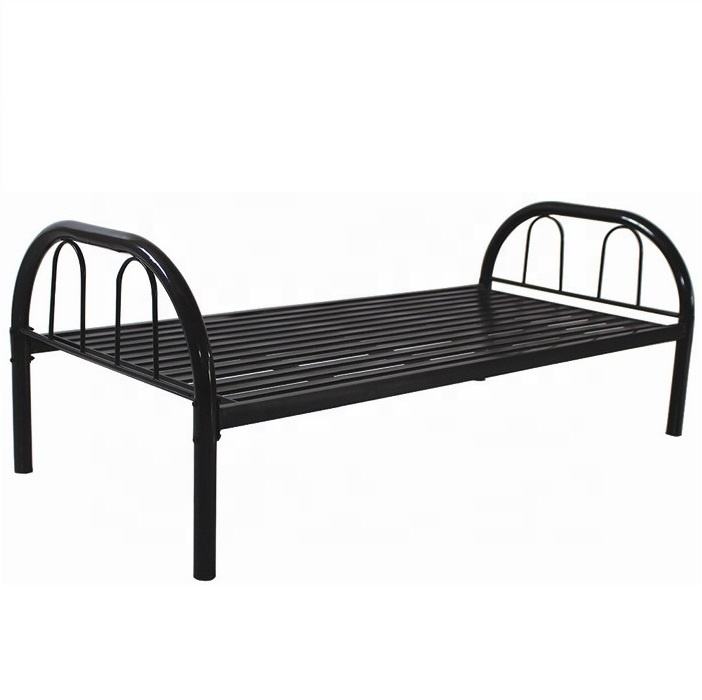
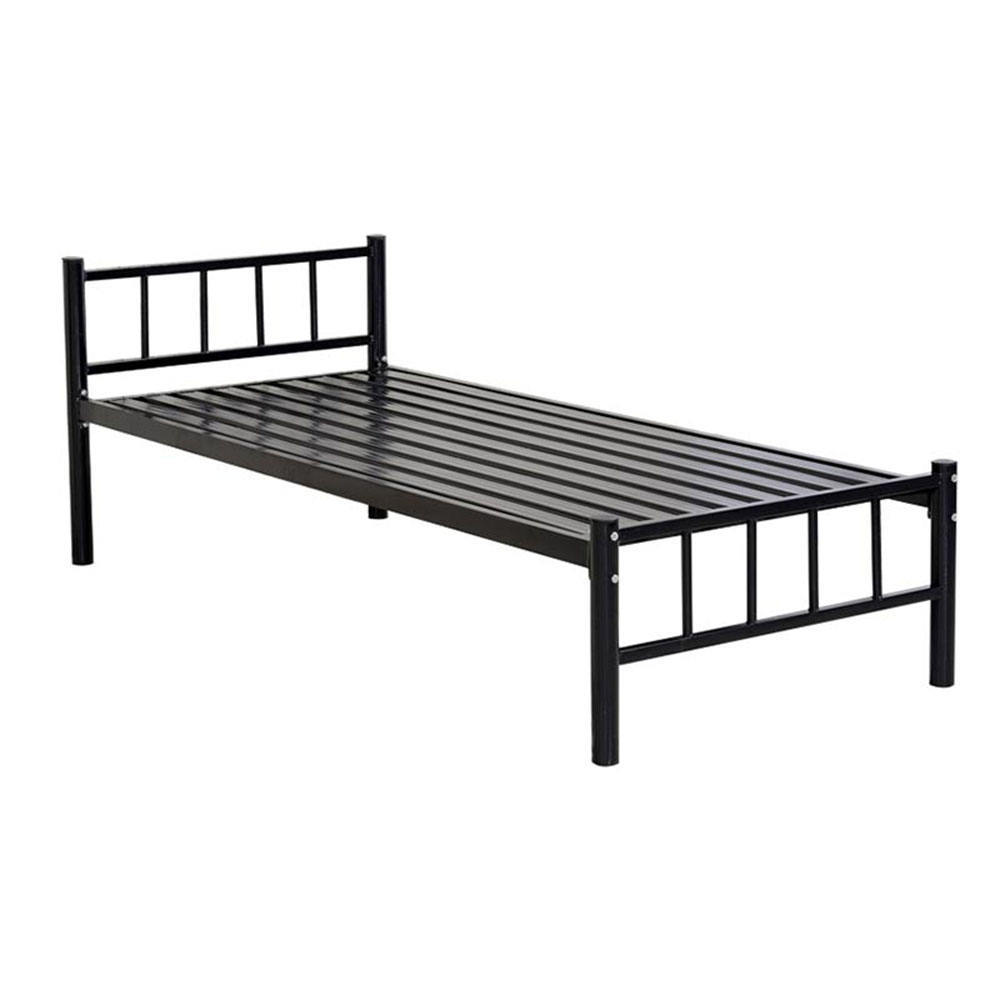
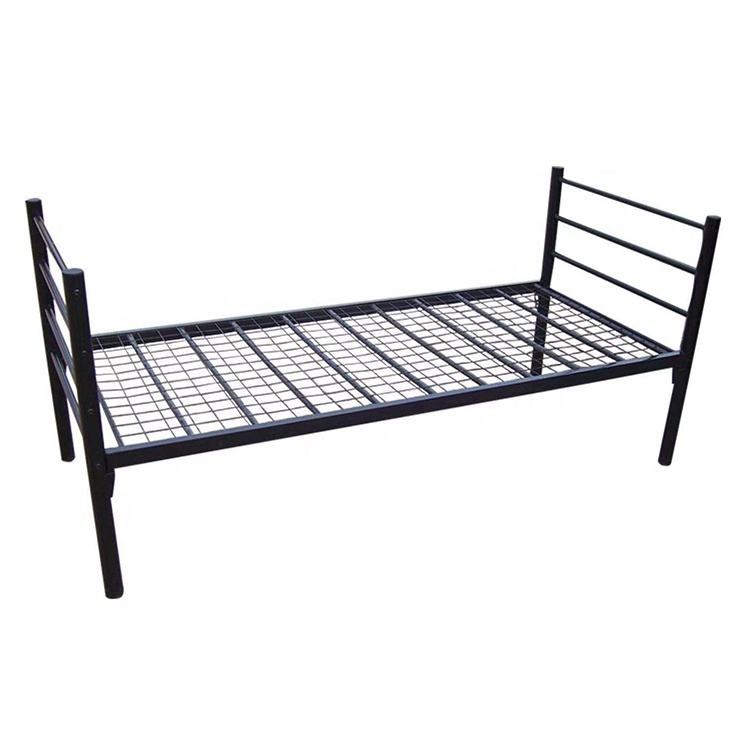
A: Regular Single Bed Frame
What They Are: The bed frame sits approximately 30–50 centimetres (roughly 12–20 inches) above the floor, featuring either horizontal/vertical support slats or a slatted bed base.
Why They Work:
- Appropriate height balancing comfort and safety
- Sufficient clearance for storage boxes, suitcases or dedicated drawers, enhancing space utilisation
- Suitable for all demographics (children, adults, seniors) with easy access
- Compatible with most standard single mattresses on the market
- Rational structural design offering strong load-bearing capacity and extended service life
Best For: Suitable for standard residential properties where residents prioritise value for money and wish to minimise visual bulk from the bed frame.
Considerations: Height is relatively fixed and cannot be adjusted.
B: Low-Profile Beds (Platform Beds)
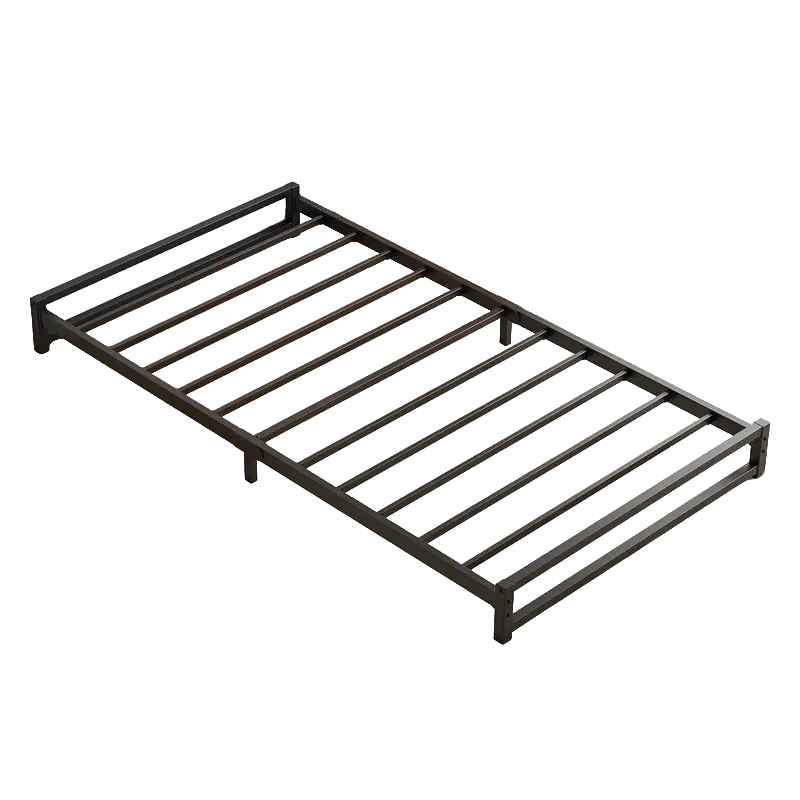
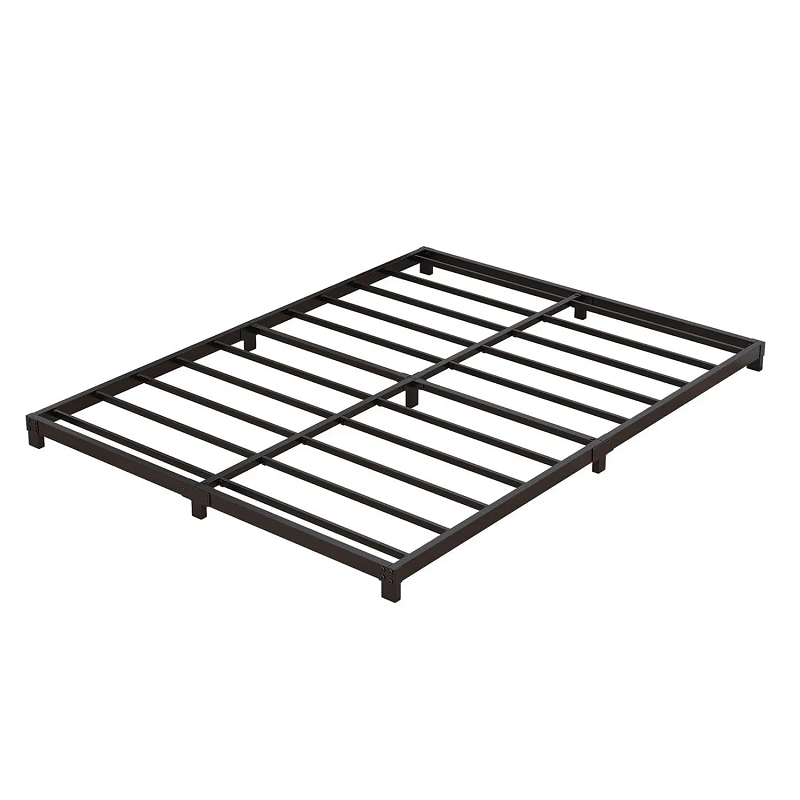
What They Are: Frames sitting just 5-8 inches off the floor.
Why They Work:
- Low profile creates visual openness—the bed doesn't dominate the room
- Easier to access for children or seniors
- Makes ceilings feel higher by contrast
Best For: Very small rooms where vertical space is limited, or when you want to minimize visual impact.
Considerations: Limited under-bed storage; may be harder to get in/out for some users.
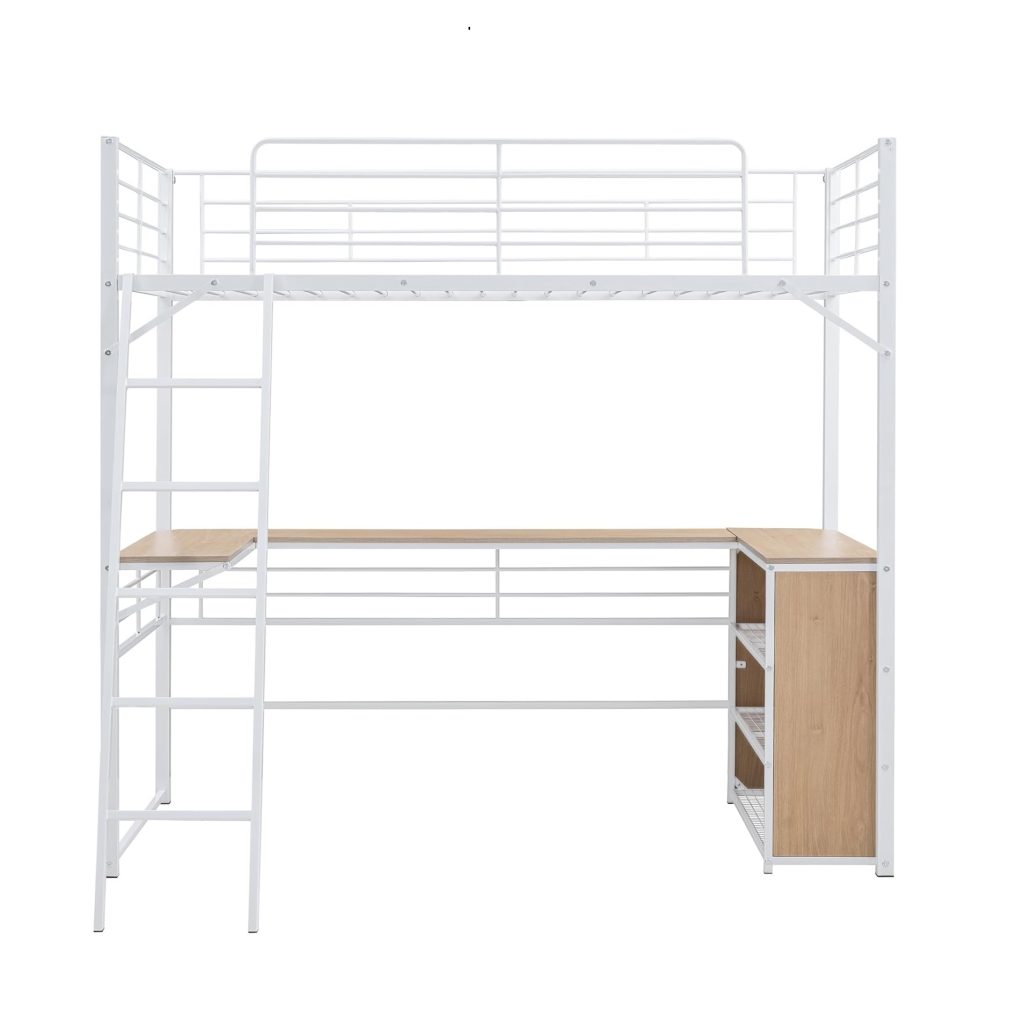
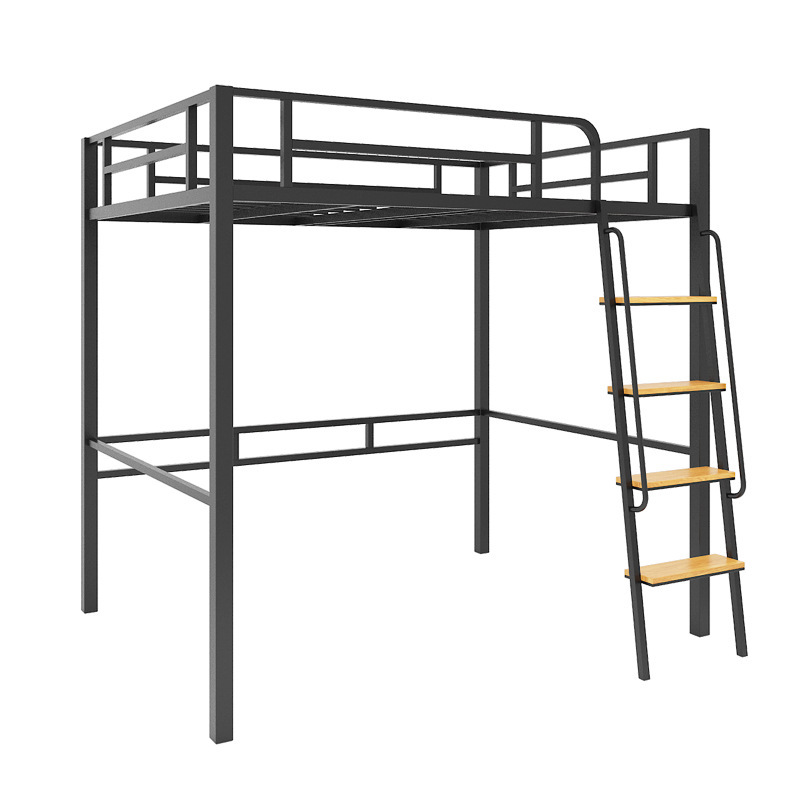
C: Loft Beds
What They Are: Raised beds with open space underneath—typically 5-6 feet to the mattress base .
Why They Work:
- Doubles your usable floor space
- Under-bed area becomes workspace, seating, or storage
- Maximizes vertical space in rooms with high ceilings
- The space beneath the bed can be fitted with furniture of your choice
Best For: Studio apartments, dorms, kids' rooms, anywhere you need to fit multiple functions.
Considerations: Requires sturdy construction (1.5mm+ steel recommended) ; needs at least 7-8 foot ceilings ; not ideal for those with mobility issues.
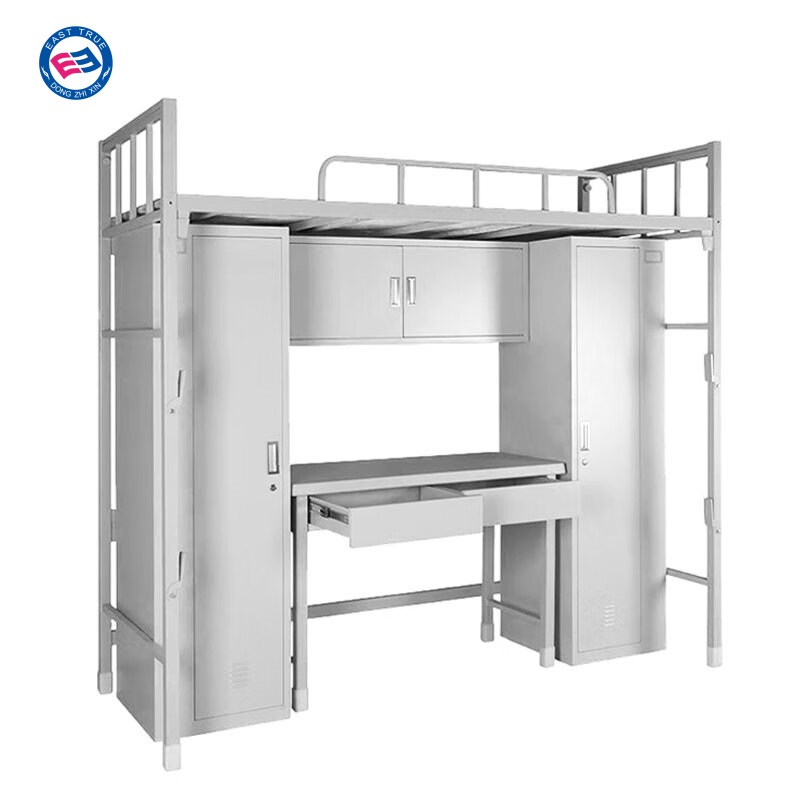
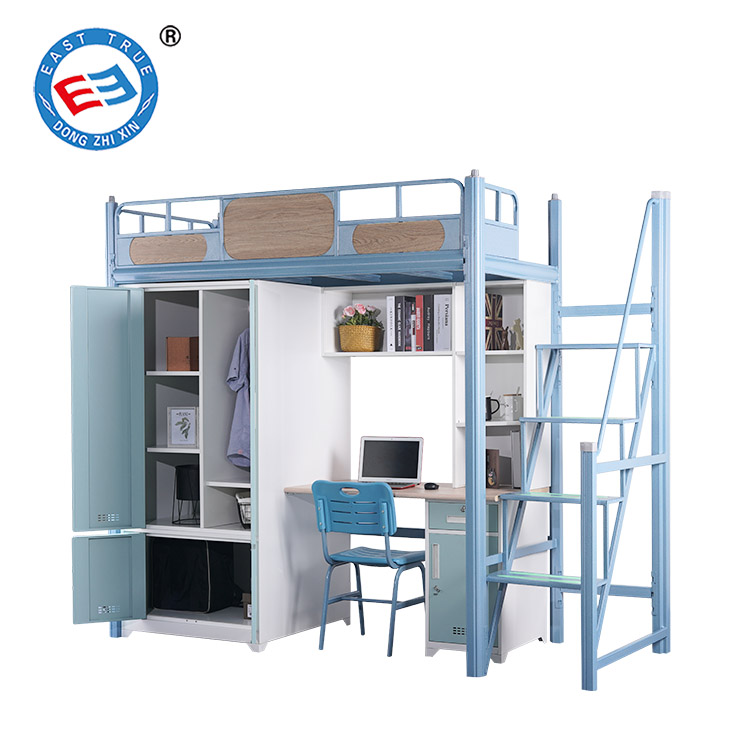
D: Multifunctional Dormitory Beds
What They Are: Beds with built-in storage—drawers, wardrobes, or open cubbies. Mostly used in student dormitories.
Why They Work:
- Eliminates need for separate dressers or storage units
- Keeps clutter hidden and organized
- Uses wasted under-bed space
Best For: Suitable for situations requiring maximum space utilization and high storage needs.
Considerations: More suitable for young people or those without special physical conditions; professional installation is required.
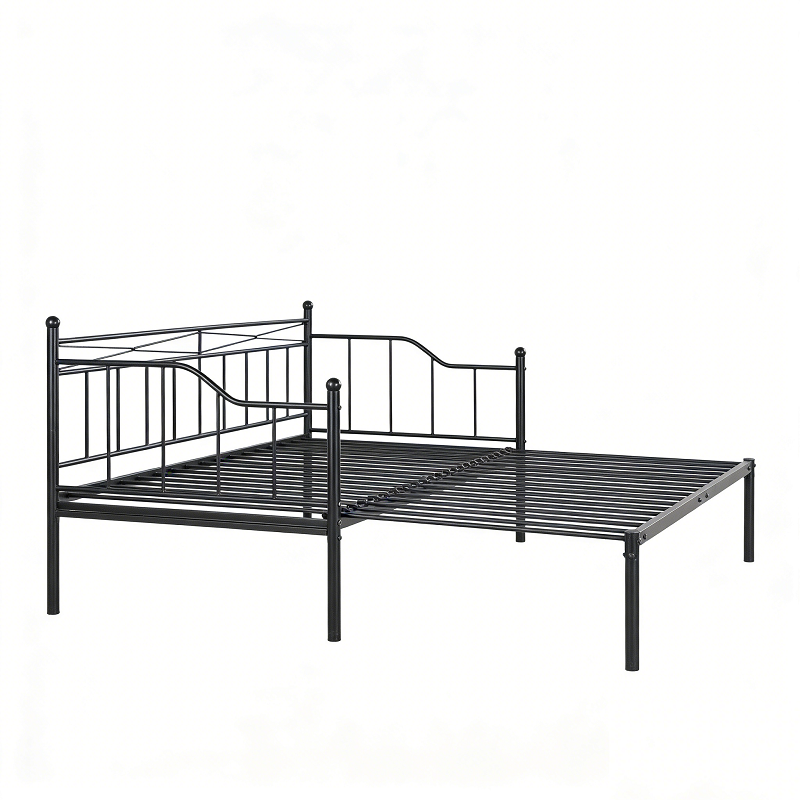
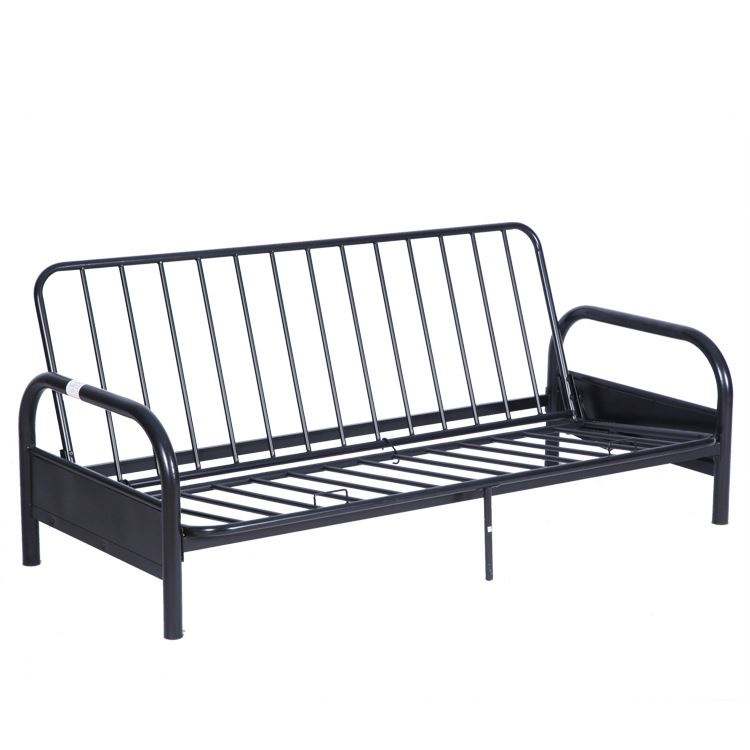
E: Go Double-Duty (Futon Beds)
What They Are: Multifunctional furniture combining sofa and bed functions, typically featuring a folding or pull-out design.
Why They Work:
- Multifunctional: Serves as both a sofa and a bed, combining reception and sleeping functions.
- Easy Conversion: Simple and easy-to-use design; folding or pulling mechanisms are convenient and quick.
Best For: Small apartments, dormitories, studio apartments, and other living environments with limited space.
Considerations: When purchasing, pay attention to the bed's frame and support structure to ensure its stability and durability.
Step 3: Select the Right Frame Style
Once you've chosen your strategy, focus on frame details that enhance small-space living.
Slim-Profile Frames
Look for frames with minimal visual bulk:
- Thin tubing (1-inch diameter or less) appears lighter
- Open designs with visible space through the frame
- No bulky headboards or minimal headboard options
- Neutral colors (white, black, gray) that recede visually
Wall-Hugging Designs
Some frames are designed to sit flush against walls:
- Flat headboards that don't protrude
- No footboard to maximize floor space
- Corner-friendly shapes that fit tight spaces
Integrated Features
Frames that combine functions save space:
- Headboard with shelves for books, glasses, decor
- Side rails with USB ports for device charging
- Under-bed clearance sized for standard storage bins
Step 4: Verify Critical Specifications
Small spaces demand precision. Verify these details before buying:
Exact Dimensions
Don't trust "fits most rooms." Get exact numbers:
| Measurement | What to Confirm |
|---|---|
| Overall length | Including headboard and footboard |
| Overall width | Including side rails |
| Height to top of mattress | For loft beds, clearance underneath |
| Floor clearance | For storage or cleaning access |
Assembly Requirements
Will the assembled bed fit through your door? Some frames assemble inside the room; others arrive partially assembled and may not fit through narrow openings.
Ask: Can this bed be assembled in the room? If not, what are the doorway dimensions needed?
Weight Capacity
Small spaces often mean multi-use furniture. If your bed doubles as seating (daybed) or workspace (loft), ensure it's rated for those activities.
Look for: 300-500+ pound capacity for versatility.
Step 5: Plan Your Layout
Before ordering, visualize the complete room:
The Golden Ratio
In small bedrooms, the bed should ideally take up no more than one-third to one-half of the floor space . More than that, and the room feels cramped.
Traffic Flow
Leave at least 24-30 inches of walking space around the bed . If this isn't possible with a standard layout, consider pushing the bed against a wall (though this makes bed-making harder).
Window and Door Clearance
Ensure bed placement doesn't block windows (fire safety) or door swings. Nothing frustrates like a bed that prevents closet access.
Vertical Storage
When floor space is tight, think vertically. Wall-mounted shelves, hanging organizers, and tall, narrow dressers use wall space rather than floor space.
Small Space Mistakes to Avoid
Learn from others' errors:
Buying Without Measuring
The most common mistake. That "single bed" frame adds inches you didn't account for.
Ignoring Ceiling Height for Loft Beds
You need at least 36-42 inches of clearance between mattress top and ceiling for comfortable sitting . Measure from floor to ceiling, subtract bed height, mattress thickness, and desired sitting space.
Forgetting About Bedding
A thick mattress plus a fluffy comforter changes the visual bulk of your bed. Account for bedding in your space planning.
Choosing Style Over Function
That gorgeous ornate frame might overwhelm your tiny room. Prioritize proportion over decoration.
Skimping on Quality
In small spaces, furniture takes more abuse (bumped, moved, multi-use). Cheap steel bends; weak mechanisms fail. Invest in quality.
Blocking Natural Light
Placing a tall loft bed in front of a window may maximize floor space but kills natural light. Consider light sources in your layout.
The Bottom Line
Living small doesn't mean sleeping small. With the right steel single bed, you can:
- ✓ Maximize every square inch
- ✓ Create multi-functional spaces
- ✓ Enjoy durable, long-lasting furniture
- ✓ Maintain an open, airy feel
- ✓ Adapt as your needs change
The key is choosing thoughtfully—measuring carefully, selecting the right space-saving strategy, and investing in quality construction.
Your small space deserves a big solution. A well-chosen steel single bed might be exactly that.