
Steel wardrobes are prized for their durability, fire resistance, and sleek industrial aesthetic. But when it comes to furnishing your home or workspace, a critical question arises: Is it cheaper to build a steel wardrobe from scratch or buy a pre-made one?
This guide breaks down the costs, hidden expenses, and practical considerations to help you decide whether DIY or retail is the smarter choice for your needs.
Key Factors to Consider
1. Budget
DIY: Upfront costs include steel sheets, welding tools, and hardware.
Buying: Prices vary by size, design complexity, and brand reputation.
2. Time Investment
Building a steel wardrobe requires 15–40+ hours (cutting, welding, finishing).
Pre-made units arrive ready to assemble (1–4 hours).
3. Skill Level
DIY demands proficiency in metalworking: welding, grinding, and precision measurements.
Mistakes (e.g., uneven joints) can waste materials and increase costs by 20–30%.
4. Customization Needs
Built units can fit irregular spaces (e.g., sloped ceilings).
Store-bought options are limited to standard dimensions.
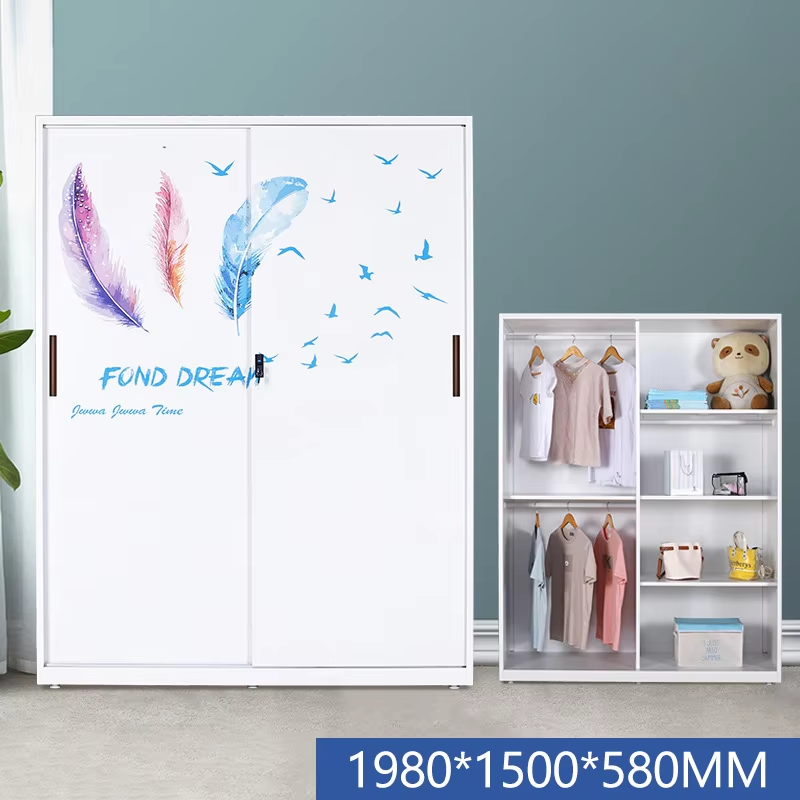
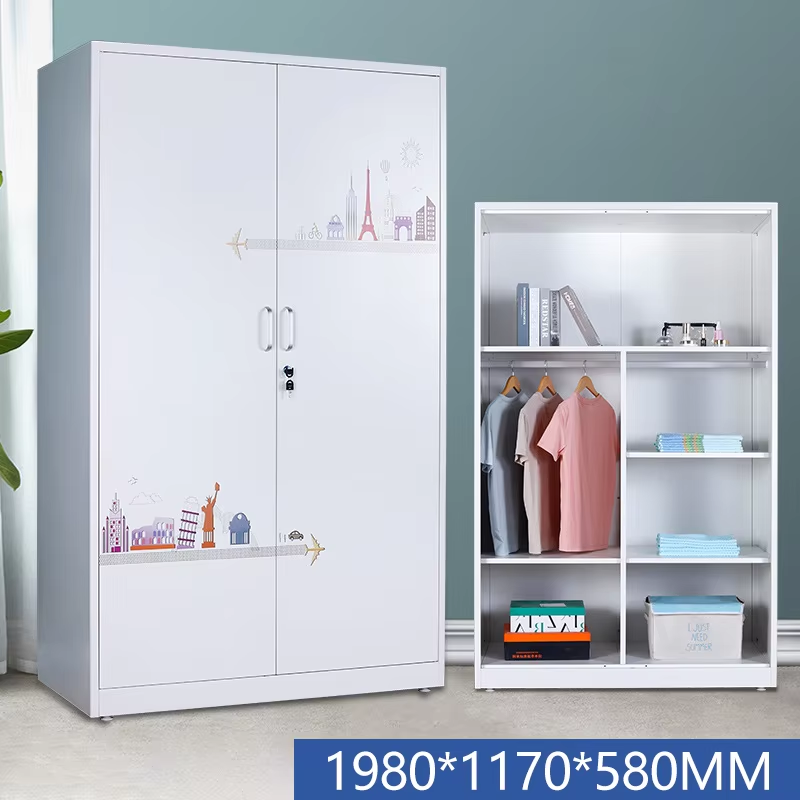
Cost Breakdown: Building a Steel Wardrobe
| Expense | Cost Range | Details |
|---|---|---|
| Steel Sheets | 80–200+ | 16–20 gauge steel (price varies by thickness). |
| Hardware | 30–100 | Hinges, locks, drawer slides. |
| Paint/Finish | 20–80 | Anti-rust primer + enamel spray. |
| Tools | 150–600+ | Welder (100–400), angle grinder (50–150), clamps. |
| Labor (If Hired) | 500–2,000+ | Professional welder rates: 40–80/hour. |
| Total DIY Cost | 350–1,500+ | Excluding tools. |
Pros: Use thicker steel (14–16 gauge) for enhanced durability.
Cons: Poor welding or rust prevention reduces lifespan.
Cost Breakdown: Buying a Steel Wardrobe
| Type | Price Range | Features |
|---|---|---|
| Basic Locker | 150–400 | Single-door, powder-coated finish. |
| Mid-Range Unit | 450–1,200 | Adjustable shelves, double doors. |
| Commercial-Grade | 1,500–5,000+ | Fireproof, custom dimensions (e.g., hospitals). |
| Assembly/Delivery | 50–300 | Heavy units may require professional setup. |
| Total Cost | 200–5,300+ | Depends on size and quality. |
Pros: Factory-treated finishes resist corrosion (5–10+ years).
Cons: Cheap units may use thin steel (18–22 gauge), prone to dents.
When to Build vs Buy Steel Wardrobe
Build If:
You own welding tools or can borrow them.
Need a non-standard size (e.g., 8ft height for industrial ceilings).
Prioritize long-term savings over time investment.
购买条件:
Lack metalworking skills or tools.
Require quick setup (e.g., moving into a rental).
Prefer warranties (most retailers offer 1–5 years).
Which Option Is Cheaper?
Building Saves Money If:
You already own tools.
You have carpentry skills (or free labor).
Custom sizing is non-negotiable (e.g., attic spaces).
Buying Is Better If:
Time is limited.
You lack DIY experience (errors increase costs by 20–30%).
You rent or plan to move soon.
Final Verdict:
For most, building saves 30–50% upfront (excluding labor), but buying is cheaper when valuing time and convenience.