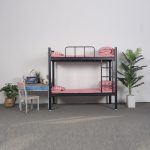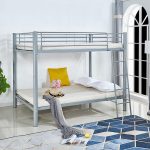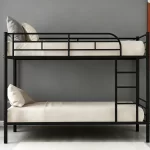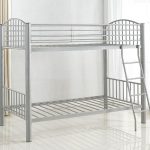

When considering a space-saving sleeping solution, steel bunk beds are a top contender for their durability and clean, modern look. But one of the most common questions is: how much do they actually cost? The answer varies widely, from under $50 to several hundred dollars, depending on where you buy, the intended user, and the specific features you need.
This guide will break down the key factors that influence the price of steel bunk beds, provide real-world cost examples, and help you determine the best option for your budget and needs.
Key Factors That Determine the Price
Before looking at specific prices, it’s helpful to understand what you're paying for. The cost of a steel bunk bed is influenced by several factors:
Target Market & Place of Purchase:
This is the biggest driver of price differences. Beds sold directly from manufacturers or on B2B wholesale platforms (like Alibaba) offer the lowest unit prices but require large minimum orders. Retailers sell single units directly to consumers, with prices that include markup, warranty, and customer service. Regional marketplaces reflect local manufacturing and material costs, which can be significantly lower.
Intended User (Residential vs. Commercial):
Beds designed for home use, especially bunk beds for children’s rooms, often feature more decorative finishes and colors but may have lower weight capacities. Commercial-grade beds for dormitories, hostels, or military use prioritize heavy-duty construction, higher weight limits, and simpler, more robust designs.
Materials and Construction:
The type of steel and its thickness (gauge) matter. Powder-coated or epoxy-coated finishes are standard for rust resistance and durability. Features like welded frames (more stable) versus bolt-together (KD) structures can also affect price and longevity.
Size and Configuration:
The most common and affordable configuration is Twin-over-Twin. Twin-over-Full or Full-over-Full beds cost more due to larger materials. Specialty designs like vertical triple bunk or triple sleepers are priced higher for their added functionality.
Added Features and Services:
Basic beds are just the frame. Costs increase with features like integrated storage, stairs instead of a ladder, built-in desks, or premium finishes. Retail purchases often include assembly services, extended warranties, and shipping, which are not included in wholesale prices.
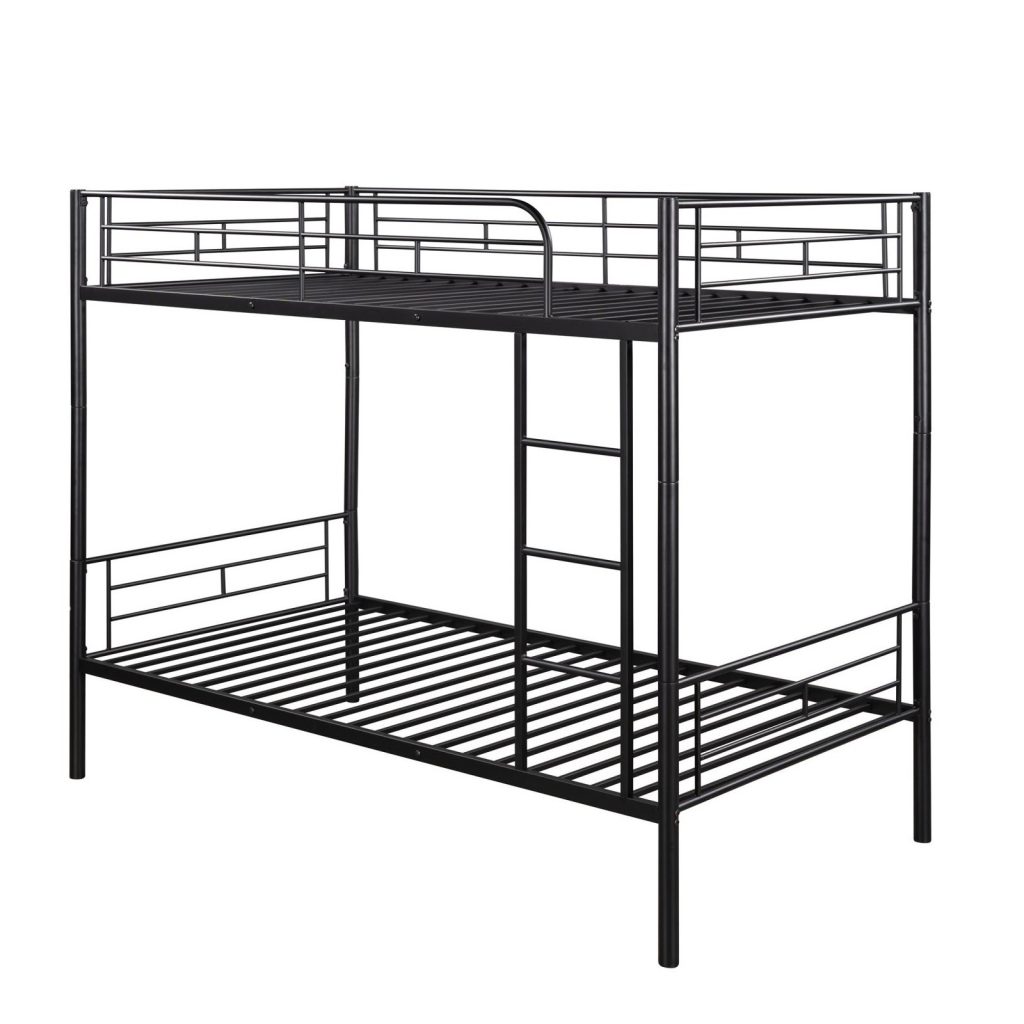
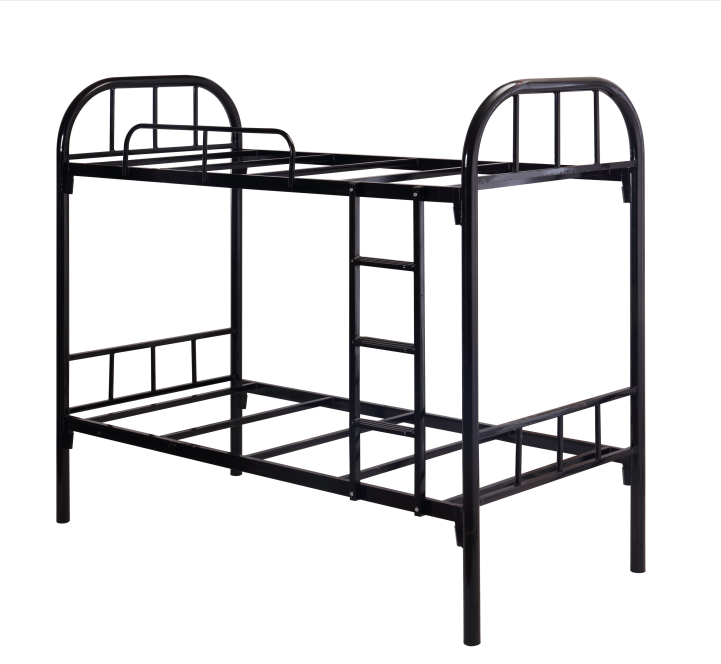
Steel Bunk Bed Price Ranges: A Breakdown
To make sense of the market, here is a breakdown of prices across different purchase channels and product types.
| Market / Purchase Type | Typical Price Range (USD Equivalent) | Who It's For & Key Notes |
|---|---|---|
| Wholesale / Bulk (B2B) | ~$25 - $250+ per unit | Business buyers (hostels, schools, camps). Requires large minimum orders (often 10, 50, or 300+ units). Price drops significantly with volume. |
| Retail (Direct to Consumer) | ~$400 - $800+ for standard twin | Families and homeowners. Includes single-unit purchase, consumer warranty, and customer support. Sales can offer significant discounts. |
| Regional Markets (e.g., India) | ~$80 - $350+ (₹6,500 - ₹28,000) | Local buyers in specific regions. Prices reflect local economies. International shipping and import duties would add substantial cost. |
Cost Comparison: Single Unit Purchase
This chart illustrates the price difference for a single steel bunk bed frame across different purchasing contexts.
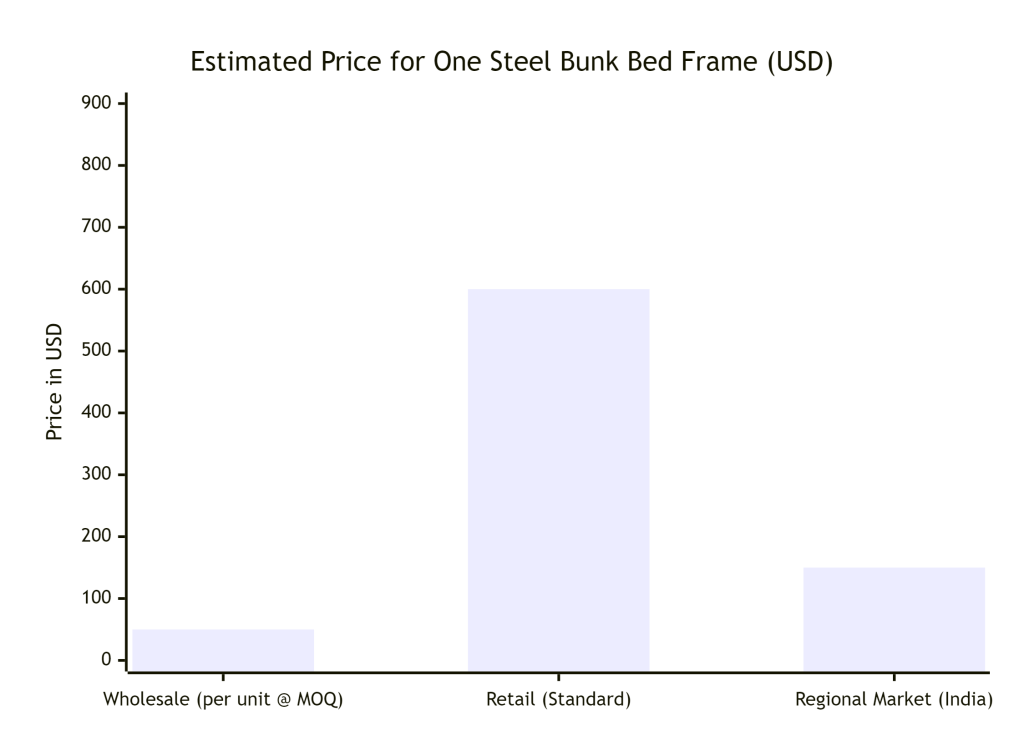
Note on the Chart: The wholesale price reflects the per-unit cost when meeting a high Minimum Order Quantity (MOQ), not the cost to buy just one. For example, a bed might be $50 per unit if you buy 200, but you cannot buy a single unit at that price. This illustrates the volume-based pricing model.
How to Get the Best Value for Your Money
For Families and Home Use:
Stick to reputable retailers. While the upfront cost is higher than wholesale, you benefit from safety certifications (like ASTM/CPSC standards), clear assembly instructions, and reliable customer service if parts are missing or there's an issue. Look for sales, especially around holidays.
For Business and Institutional Buyers:
Explore B2B platforms and contact manufacturers directly. Be prepared to discuss your volume, required specifications (like bed size, steel gauge, and finish), and request samples. Remember to factor in shipping, import duties, and assembly labor into your total project cost.
Always Consider Total Cost:
The bed frame is just one part of the expense. Remember to budget for mattresses (which are rarely included), shipping fees (which can be high for heavy steel beds), and potential assembly costs if you're not DIY-inclined.
A Crucial Note on Safety
Regardless of price, never compromise on safety. For children's beds, ensure the product meets or exceeds safety standards like ASTM F1427 in the U.S. Check for:
- Secure guardrails on all sides of the top bunk.
- A sturdy ladder fixed securely to the frame.
- A manufacturer's stated weight limit (often 150-400 lbs per bunk) and age recommendation (top bunks are often not recommended for children under 6).
Final Recommendations
Ultimately, the "right" price depends entirely on your use case. A $400-$600 steel bunk bed from a known retailer is a typical and sensible investment for a child's bedroom, offering a good balance of safety, quality, and convenience. For a project furnishing 20 dorm rooms, sourcing directly from a manufacturer at $70-$150 per unit could be the most cost-effective, albeit more logistically complex, solution.
What's your primary use case for a steel bunk bed? Are you furnishing a kid's room, a vacation home, or a commercial space? Clarifying your needs and specific requirements can help narrow down the most economical and suitable path for you.