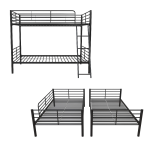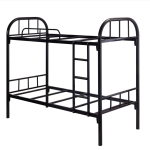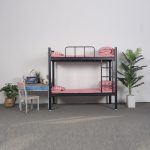

You have two kids sharing a room. Or perhaps you are furnishing a hostel dormitory. The floor space is limited, and the big question looms: Should you buy two separate single beds, or go for a bunk bed?
It is a classic dilemma, and there is no single right answer. Both options have passionate advocates. Two single beds offer flexibility and ease, while a bunk bed promises adventure and space savings.
To help you decide, let's break down the pros and cons of each option based on space, cost, safety, and long-term versatility.
The Case for Bunk Beds
Bunk beds are the ultimate space-saving solution. By stacking one bed on top of another, you effectively double your sleeping capacity within the same floor footprint.
Pros of Bunk Beds:
- Maximizes Floor Space: This is the number one reason people choose bunks. In a small bedroom, freeing up floor space means room for a desk, a play area, or storage cabinets. In a hostel, it allows you to fit more guests in a single room.
- Fun Factor for Kids: For children, bunk beds are an adventure. They love climbing up to their "fort" or "castle." It can make sharing a room feel like a constant sleepover.
- Cost-Effective per Square Foot: While a quality bunk bed might cost slightly more than one single bed, it is significantly cheaper than buying two separate beds plus the extra floor space you would need to house them.
- Built-in Storage Potential: Many modern bunk beds come with integrated storage solutions like shelves, drawers in the stairs, or space underneath for trundles.
Cons of Bunk Beds:
- Safety Concerns: The top bunk requires strict safety rules. It is generally not recommended for children under six years old due to the risk of falls. Guardrails and secure ladders are non-negotiable.
- Accessibility: Making the top bunk bed is a hassle. Changing sheets requires climbing up and down. For younger kids, getting down for midnight bathroom trips can be tricky.
- Limited Ceiling Height: The top bunk occupant needs enough clearance to sit up without hitting the ceiling. Low ceilings can make the top bunk feel claustrophobic.
- Less Flexibility: Once assembled, a stationary bunk bed is hard to move and cannot be easily rearranged (unless you buy a convertible model).
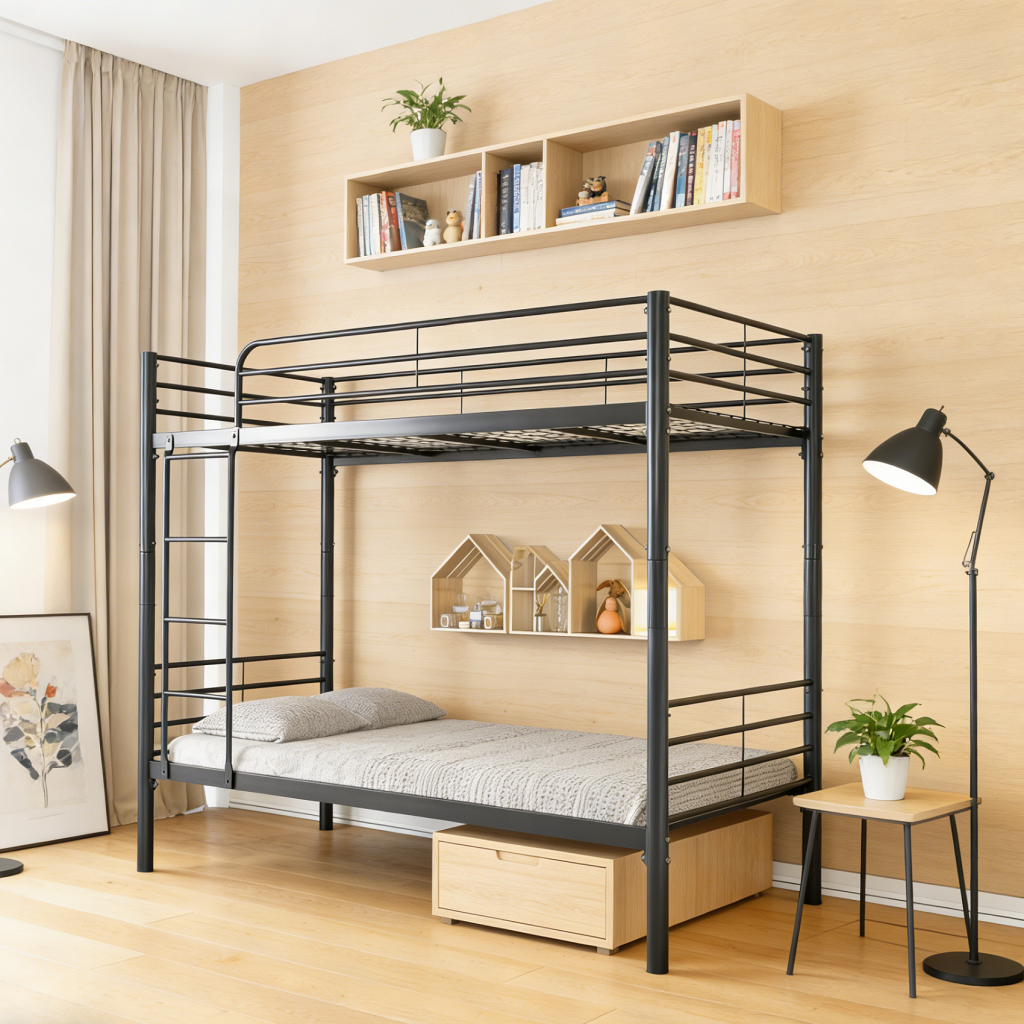
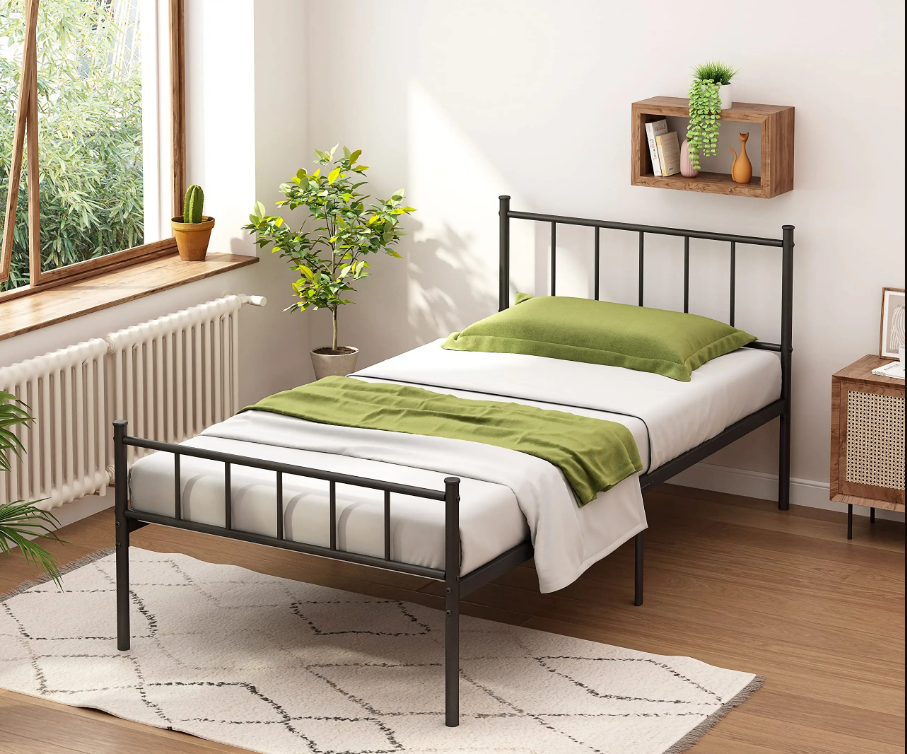
The Case for Two Single Beds
Two single beds (also known as twins) placed separately in a room offer a different kind of advantage: freedom and simplicity.
Pros of Two Single Beds:
- No Height, No Risk: With both beds on the ground, there is zero risk of falls from a top bunk. This is the safest option for toddlers, young children, or elderly guests.
- Ultimate Flexibility: You can arrange two single beds in endless ways—side by side, in an L-shape, on opposite walls, or even push them together to create a giant king-sized bed for guests.
- Easier Maintenance: Changing sheets is a breeze. There is no climbing required, and vacuuming under the beds is much simpler.
- Future-Proof: As children grow, they will eventually want their own space. Two single beds can easily be moved into separate bedrooms down the line. They are standard furniture that fits any room layout.
- Perfect for Mixed Ages: If you have a teenager and a toddler sharing a room, two singles allow the older child to have a mature, adult-sized bed while the younger one stays safely low.
Cons of Two Single Beds:
- Consumes Floor Space: Two single beds take up significantly more square footage than a bunk bed. In a very small room, they may leave little space for anything else.
- Less "Shared" Feel: While some kids love having their own distinct bed, it can sometimes feel less communal and fun than the shared adventure of a bunk.
- Potentially Higher Cost: You are buying two complete bed frames and two mattresses. While you can find budget options, the overall cost is usually higher than a single bunk bed unit.
Quick Comparison: Which One Fits Your Situation?
| Feature | Bunk Bed | Two Single Beds |
|---|---|---|
| Space Efficiency | Excellent | Moderate to Low |
| Safety | Requires precautions (age, rails) | Very safe (no height risk) |
| Flexibility | Low (fixed position) | High (rearrange anytime) |
| Cost | Lower (one unit, one footprint) | Higher (two frames, more space) |
| Best For | Small rooms, hostels, young kids who love adventure | Larger rooms, mixed ages, long-term adaptability |
The Verdict: How to Decide
Choose a Bunk Bed if:
- You are extremely tight on floor space.
- You are furnishing a shared dorm or hostel.
- Your children are close in age, get along well, and are over the age of six.
- You want to leave room for other furniture like desks or dressers.
Choose Two Single Beds if:
- Safety is your absolute top priority (especially with very young children).
- You have enough floor space to spread out.
- You want the freedom to rearrange the room frequently.
- You plan for the kids to eventually have their own rooms and want beds that can move with them.
The Best of Both Worlds: Convertible Bunk Beds
If you truly cannot decide, there is a third option: the convertible bunk bed.
As we discussed in a previous post, some modular steel bunk beds are designed to be used as a bunk bed today and separated into two standard twin beds tomorrow. This offers the ultimate long-term value. You get the space savings of a bunk bed now, and the flexibility of two single beds later when your needs change.