
Investing in office lockers for employees is more than just buying storage units; it's about enhancing workplace functionality, security, and employee satisfaction. Whether you're updating an existing space or outfitting a new office, choosing the right lockers requires strategic thinking.
In this guide, we break down the seven most critical factors you must evaluate to make an informed, future-proof purchase that benefits both your team and your bottom line.
1. Primary Use Case & User Needs (The "Why" Before the "What"
The first and most crucial step is defining the primary purpose. Your choice will vary dramatically based on the core need.
- For Hybrid Work & Hot-Desking: Employees need secure, temporary storage for daily essentials (laptop, charger, jacket). Smart lockers with digital, reservable compartments are ideal.
- For Permanent, Assigned Storage: For teams with fixed desks, the need is for personal, long-term space for personal items, shoes, or gym gear. Traditional keyed or combination lockers in standard sizes work perfectly.
- For Specialized Storage: Is the main goal to securely store confidential documents, high-value electronics, or bulky items like luggage or cycling equipment? This dictates size, security level, and internal features (like charging ports or adjustable shelves).
Ask: What will our employees store, and how often will they access it?
2. Space Planning & Configuration
Lockers must fit your physical space efficiently and aesthetically.
- Measure Precisely: Account for floor space, ceiling height, and doorways for delivery. Don't forget to leave adequate aisle space (at least 36 inches) for comfortable access.
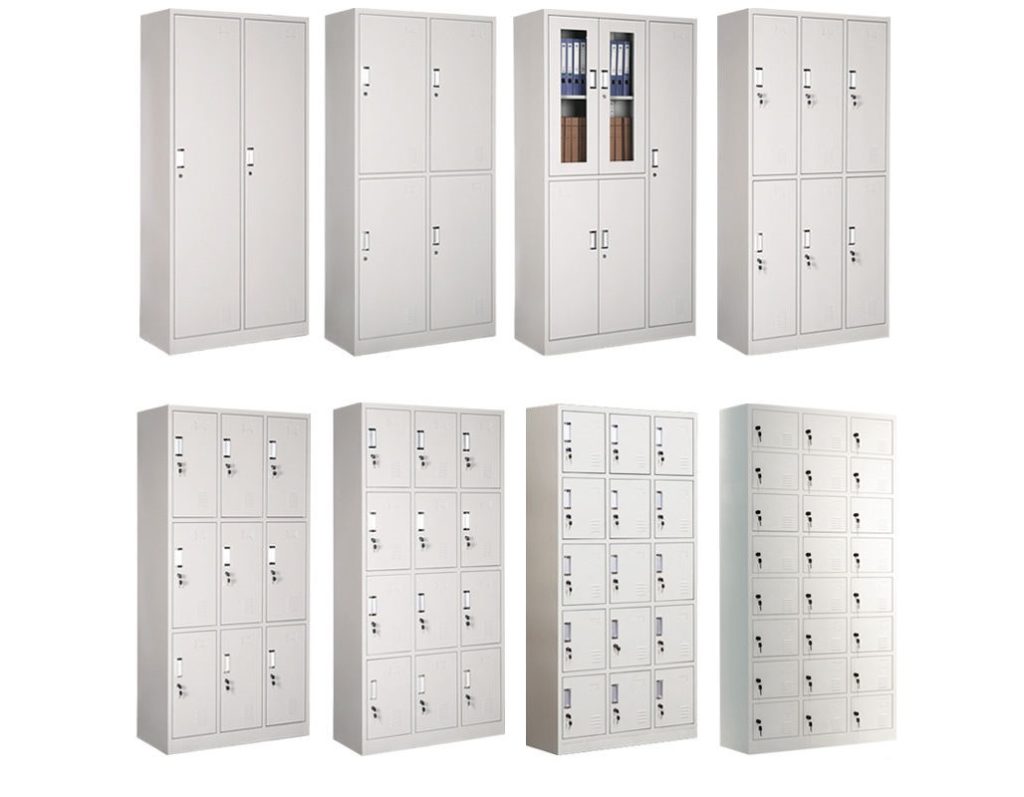
- Maximize Vertical Space: In tight areas, consider tall, single-column lockers or modular systems that can be stacked. Bench lockers combine seating with storage, saving space in lobbies or breakout areas.
- Modular Flexibility: Opt for systems that allow you to mix locker sizes (e.g., small cubes for phones and wallets alongside larger compartments for bags). This ensures no space is wasted.
Ask: What are our exact spatial constraints, and how can we get the most storage from them?
3. Access & Security Level
Security is paramount, but its implementation should match the risk profile of the stored items.
- High Security & Audit Trail: For IT equipment, sensitive documents, or in high-traffic visitor areas, electronic smart lockers are best. They provide PIN/card/app access and a digital log of who accessed what and when.
- Standard Personal Security: For general personal items, robust mechanical locks (built-in combination or cylinder locks) from reputable brands offer reliable security without IT complexity.
- Convenience & Hygiene: Keyless options (digital codes or RFID) eliminate the hassle of lost keys and are more hygienic, a lasting consideration in shared environments.
Ask: What level of security audit do we need, and what balance of convenience and protection is right?
4. Material Quality & Durability
This factor determines the locker's lifespan, appearance, and professional impression.
- Material: Cold-rolled steel is the commercial standard for strength and resistance to dents. Avoid thin, flimsy metal that bends easily.
- Finish: A high-quality powder-coated finish is durable, scratch-resistant, and available in many colors to match your office decor. It's also more environmentally friendly than liquid paint.
- Construction: Look for reinforced edges, sturdy hinges, and smooth-operating mechanisms. Doors should close flush and quietly.
Ask: Will this locker withstand daily commercial use for 5-10 years without looking worn or failing?
5. Locking Technology & Management
This is the "brain" of the operation, especially for non-traditional lockers.
- Smart Management Systems: Cloud-based software allows admins to assign lockers, reset codes remotely, and view usage analytics. This is essential for managing a flexible/hot-desking workforce.
- Integration Potential: Can the smart locker system integrate with your existing workplace apps or security badges? This streamlines the user experience.
- Reliability & Support: Ensure the technology provider offers strong uptime guarantees and responsive technical support.
Ask: How much administrative overhead are we willing to have, and do we need centralized, remote management?
6. Ventilation, Design & Aesthetics
Lockers contribute significantly to the office environment.
- Ventilation: Perforated doors are essential for storing gym clothes, damp coats, or anything that needs airflow to prevent mildew and odor.
- Office Aesthetics: Lockers should complement your brand and office design. Consider color, finish (matte vs. gloss), and modern, clean lines. Options like writeable surface doors (chalkboard or whiteboard) add functionality.
- Acoustics: In quiet offices, consider lockers with soft-close doors to minimize noise disruption.
Ask: Do our lockers look like an intentional part of our office design, and do they promote a healthy, pleasant environment?
7. Total Cost of Ownership (TCO) & Supplier
Look beyond the initial price tag to evaluate the true long-term cost.
- Installation: Are they easy to assemble on-site, or do they require expensive professional installation?
- Maintenance: What is the warranty? What is the cost and process for repairing locks or doors? Mechanical locks are simpler to fix than electronic ones.
- Scalability: Can you easily add more units in the same style later as your company grows?
- Supplier Reputation: Choose a vendor with a proven track record in commercial furniture, positive customer reviews, and reliable after-sales service.
Ask: What will these lockers cost us over the next decade, including maintenance, repairs, and potential expansion?
Conclusion: A Strategic Purchase for the Modern Workplace
Office lockers are a long-term investment in your physical workspace and your team's daily experience. By systematically working through these seven factors—Purpose, Space, Security, Durability, Technology, Design, and Total Cost—you move from making a simple furniture purchase to implementing a strategic tool that supports your operational workflow, company culture, and employee well-being.
Take the time to consult with end-users and reputable suppliers. The right lockers will seamlessly integrate into your office, feeling less like an added fixture and more like an essential, valued part of the workday.