
Metal frame bunk beds are widely used in various settings, including dormitories, homes, children's rooms, and hotels. Choosing the right bunk bed size not only makes living space more efficient but also provides a better sleep experience. Therefore, understanding the standard sizes of bunk bed frames and how to choose a bed according to different needs is crucial.
Step 1: Understand Standard Bunk Bed Sizes
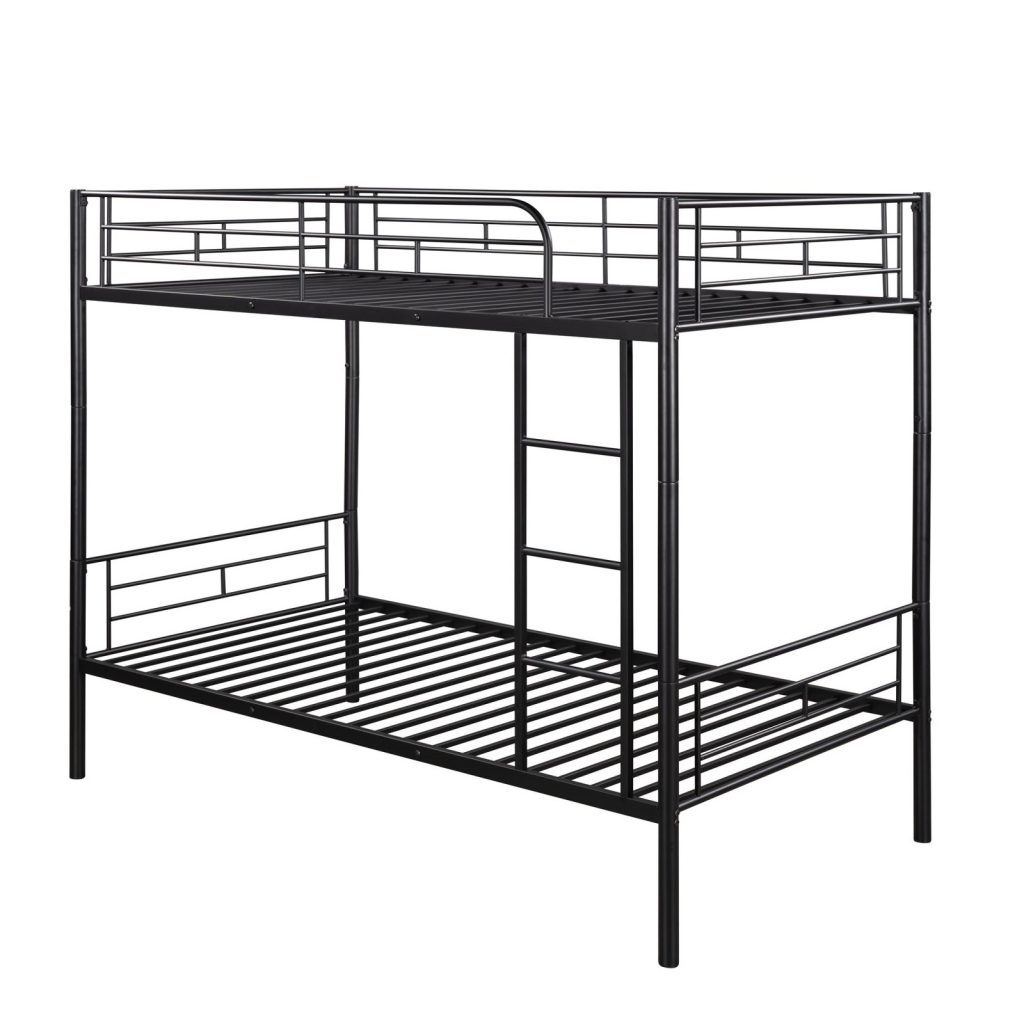
First, know your options. Metal frame bunk beds typically come in standard mattress sizes, but the overall frame dimensions vary by design.
| Mattress Size | Dimensions (W x L) | Best For |
|---|---|---|
| Twin over Twin | 38” x 75” (each) | Most common for children’s rooms; space-efficient. |
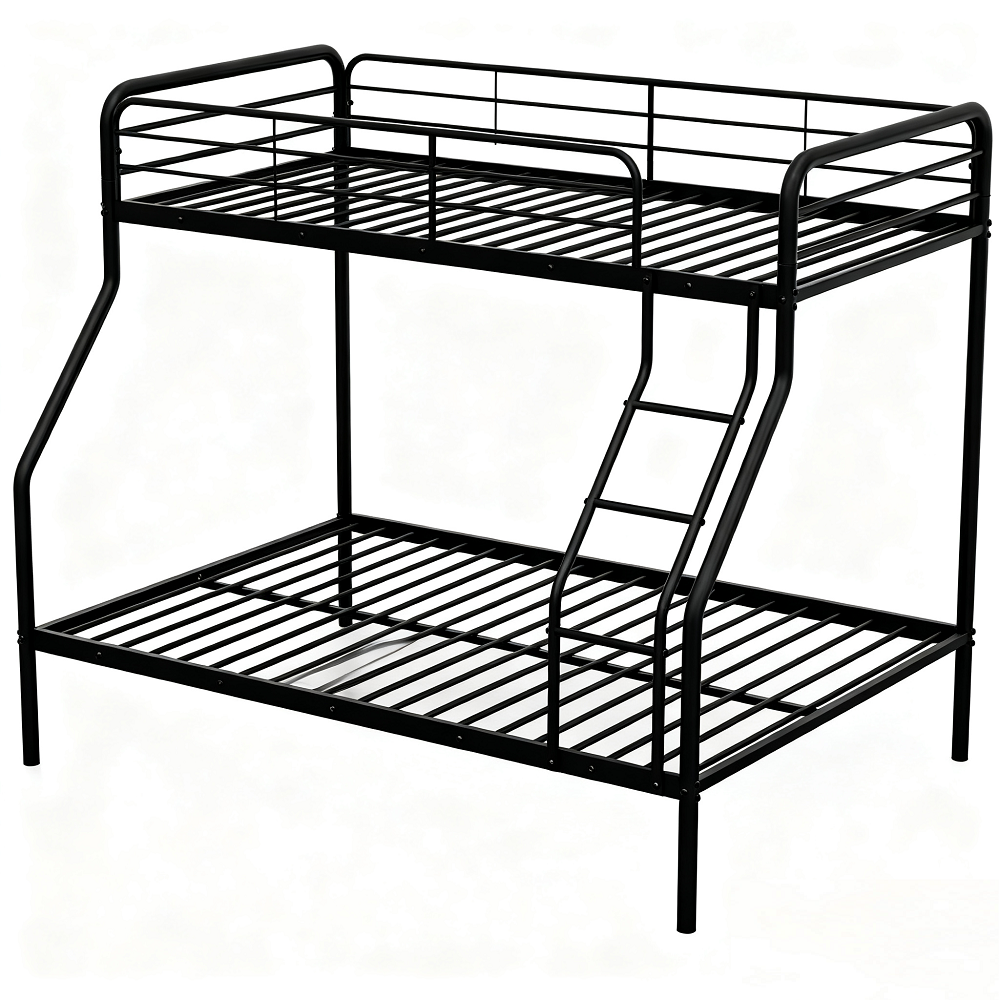
| Twin over Full | Top: 38” x 75” Bottom: 54” x 75” | When the bottom sleeper wants more space; good for an older child or occasional adult use. |
| Full over Full | 54” x 75” (each) | Shared rooms where both sleepers want ample space; requires a larger room. |
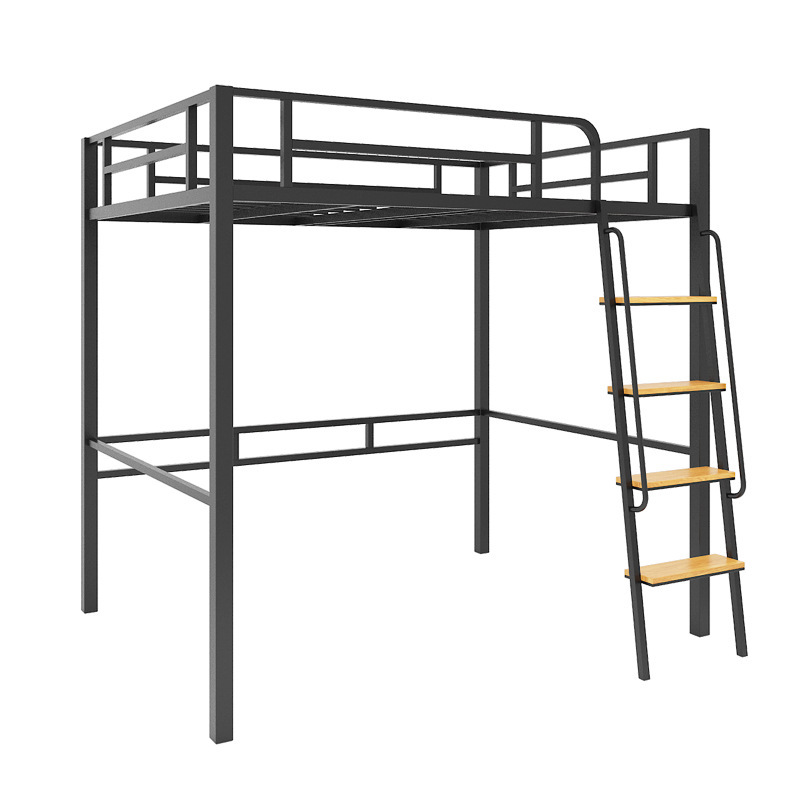
| Loft Style | Top: Twin or Full Bottom: Open space or desk | Maximizing floor space in studios or for creating a study/work area underneath. |
Note: Some brands offer "XL" lengths (80”) for taller sleepers.
Step 2: Measure Your Room—The Right Way
Grab a tape measure and follow this checklist:
1. Floor Space:
- Width & Depth: Measure the area where the bed will go. Add at least 2 feet on all sides to the frame’s dimensions for safe movement, opening drawers, and general comfort.
- Consider the layout: Place the bed so the ladder is easily accessible and not blocking doors or closets.
2. Ceiling Height:
- This is critical. Measure from the floor to the ceiling.
- The top bunk should have minimum 33–36 inches of clearance between the mattress top and the ceiling. This prevents that claustrophobic feeling and allows the sleeper to sit up safely.
- Formula: Ceiling height – (Mattress thickness + bunk bed structure height) = Head clearance. Don’t guess—calculate!
3. Doorways & Stairs:
- Don’t forget! Measure your hallways, stairwells, and door frames to ensure the bed (or its parts) can actually be delivered and assembled in the room.
Step 3: Match the Size to the Sleeper(s)
Age & Size of Users:
- Children (Under 10): A standard Twin over Twin is often ideal. It’s proportional and safe.
- Teens or Adults: Consider Twin over Full or Full over Full for comfort, especially if the bed will be used long-term.
- Top Bunk Considerations: Most manufacturers recommend the top bunk for ages 6 and up. Ensure the sleeper is comfortable with heights and can navigate the ladder.
Future-Proofing: If you plan to separate the bunks into two standalone beds later (many models offer this), check that the individual sizes fit your future plans.
Step 4: Prioritize Safety & Practical Features
The right size isn’t just about dimensions—it’s about safe use.
- Guardrails: Top bunks must have guardrails on all sides. Ensure they extend at least 5 inches above the mattress top.
- Ladder/Stairs: Is the ladder integrated or angled? Staircase styles with drawers are wider but safer and add storage.
- Weight Capacity: Check the manufacturer’s limits for both bunks. A typical twin bed might hold 150-200 lbs, but sturdy full-size frames for adults may support 250-400 lbs per bunk.
- Mattress Thickness: For the top bunk, a thicker mattress can raise the sleeper higher than expected, affecting guardrail safety. Follow the maker’s recommended mattress height.
Step 5: Think Beyond the Bed—Function & Style
- Storage Needs: If space is tight, look for bunks with built-in drawers, shelves, or a trundle bed (adds a third sleeping spot).
- Style Impact: A bulky, metal-frame full-over-full bed will feel imposing in a small room. A sleek, wooden twin-over-twin with low profile posts can make the same room feel airy.
- Theme: For kids, fun designs (like castle or cabin bunks) are often only available in twin sizes.
Quick Decision Checklist
- Room Measurements recorded (floor + ceiling).
- Sleeper ages/sizes and comfort levels assessed.
- Standard size chosen based on long-term needs.
- Safety features (guardrails, ladder, weight limit) reviewed.
- Delivery path into the home confirmed.
Final Verdict
Choosing the right metal frame bunk bed size is a blend of precise measurement, understanding who will use it, and never compromising on safety. A well-chosen bunk bed not only fits your room physically but also enhances how you live in it—creating more space for play, study, or simply breathing room.