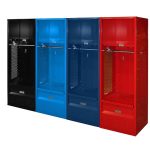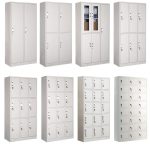

Professional athletic lockers aren’t one-size-fits-all—they’re designed to meet the diverse needs of athletes, teams, and facilities. Whether you’re outfitting a high-school weight room, a pro training center, or a luxury gym, choosing the right locker style impacts durability, security, and user experience. This guide will explore the common styles of professional athletic lockers and break down how their features must adapt to the unique requirements of different sports.
The Cornerstones of Design: Material and Purpose
Before diving into styles, it's crucial to understand the materials that define durability, function, and application.
1. Heavy-Gauge Metal Lockers
The undisputed workhorse for high-traffic areas like public gyms, schools, and multi-sport facilities. Constructed from 12- to 18-gauge steel, these lockers are prized for their strength and long-term value. A high-quality powder-coated finish resists scratches, dents, and corrosion. Most general-purpose "athletic lockers" you'll encounter in commercial settings fall into this category.
2. Solid Plastic (HDPE/ABS) Lockers
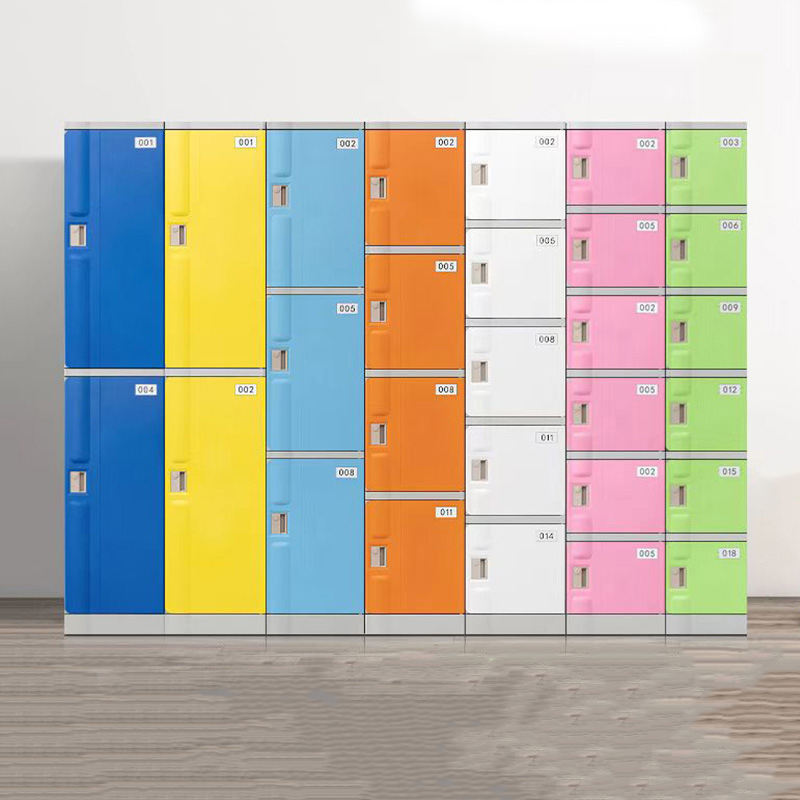
Engineered for environments where moisture is a constant challenge. Made from materials like solid HDPE or ABS plastic, these lockers are completely waterproof, rustproof, and resistant to mold and bacteria. They are the premier choice for pool decks, aquatic centers, and humid shower areas. The color-through material also helps conceal surface wear over time.
3. Custom Wood Lockers
Representing the pinnacle of a team-focused environment. Often found in collegiate and professional varsity locker rooms, custom wood lockers are about creating a sense of permanence, pride, and personal space.
Common Professional Locker Styles and Configurations
Professional lockers come in specific configurations to solve different storage problems. The table below outlines the most common styles.
| Style | Ideal For | Typical Dimensions (Approx.) | Key Features |
|---|---|---|---|
| Single-Tier / Full-Length | Coats, suits, long garments. | 12"W x 72"H | Maximizes hanging space, prevents wrinkles. Often used in combination with other styles. |
| Double-Tier / Standard | General gym use; separates shoes/clothes. | 12"W x 72"H (total) | Two compartments, often with a shelf. A versatile, space-efficient standard. |
| Wide-Body / Equipment | Backpacks, bulky sports gear, helmets. | 24"W x 60"H | Extra depth and width for large, irregularly shaped equipment. |
| Ventilated Athletic | Sports with damp gear (swimming, football). | Varies | Doors feature louvers, slats, or perforations for critical air circulation to dry gear and prevent odor. |
| Open-Front / Team Cubbies | Quick-access storage for practice gear. | Varies | No door; often used for storing balls, pads, or shoes during daily practice. Promotes easy access and visibility. |
| Multi-Tier Bank (3+ Tiers) | Maximizing capacity in limited space (schools). | Varies | Stacks three or more lockers vertically. Efficient but may offer less interior height per user. |
The Perfect Fit: How Locker Needs Differ by Sport
Choosing the right locker means matching its features to the specific physical and logistical demands of the sport.
1. For Court Sports (Basketball, Volleyball) & Gymnastics
- Primary Needs: Secure storage for personal valuables, space for casual clothes, and accommodation for taller athletes.
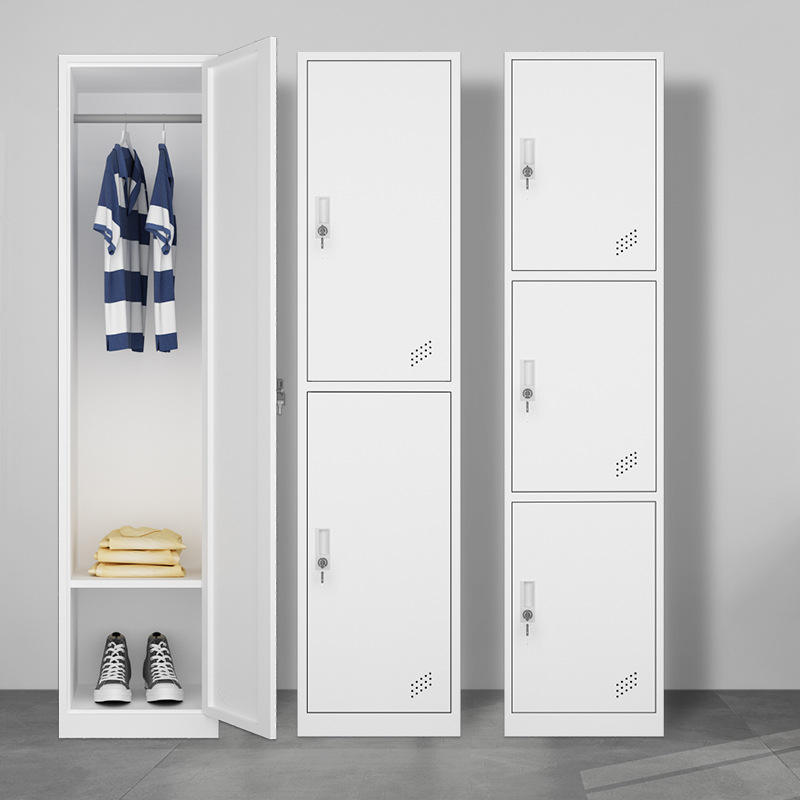
- Ideal Locker Style: Full-length or tall single-tier lockers are ideal for hanging pants, jackets, and warm-ups without wrinkling. For a unified team aesthetic, custom wood lockers with personal nameplates and integrated seating (like branded stools) build identity and professionalism.
- Key Feature: Personal, secure space for wallets, phones, and keys.
2. For Ice & Field Sports (Hockey, Football, Soccer)
- Primary Needs: Managing bulky, heavy, and often wet protective gear (pads, helmets, gloves, cleats).
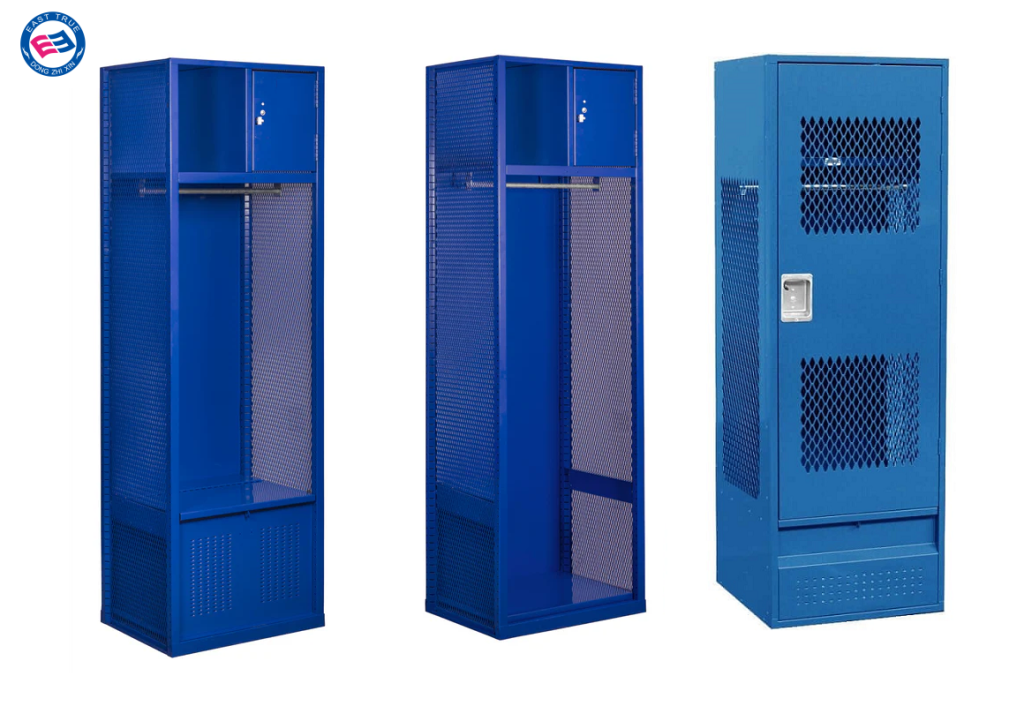
- Ideal Locker Style: Extra-wide lockers (24" or wider) are essential to accommodate shoulder pads and helmets. Ventilated doors (louvers or perforations) are non-negotiable to allow pads and sweat-soaked clothing to dry, combating mildew and odor.
- Key Feature: Superior ventilation and spacious interior dimensions.
3. For Aquatic Sports (Swimming, Water Polo)
- Primary Needs: Absolute resistance to constant moisture, chlorine, and salt. Quick drainage and hygiene are paramount.
- Ideal Locker Style: Solid plastic (HDPE/ABS) lockers are the definitive choice. Their waterproof, rustproof, and corrosion-resistant properties make them perfect for poolside environments. Sloped tops can prevent water pooling.
- Key Feature: 100% waterproof and chemically resistant construction.
4. For Combat & Grappling Sports (Wrestling, Martial Arts)
- Primary Needs: Hygiene to prevent skin infections (like ringworm), storage for singlets/gear, and often, a team lounge function.
- Ideal Locker Style: Lockers with easy-to-clean, non-porous surfaces (steel or plastic) and good ventilation. Facilities like Oklahoma State's wrestling room show the trend toward creating a combined locker room and team lounge, where 50 new lockers are part of a larger space for studying, eating, and team bonding.
- Key Feature: Antimicrobial surfaces and integration with team gathering spaces.
Beyond the Box: Essential Features for Modern Facilities
Today's professional lockers incorporate smart features that enhance security, management, and experience.
- Locking Systems: Options have evolved beyond simple padlock hasps. Coin-return locks offer convenience for day-users, while electronic RFID or digital locks tied to membership cards provide seamless access and administrative control for members.
- Integrated Amenities: Professional installations often include attached or built-in benches, helmet shelves, shoe racks, and ventilated compartments to create a complete and organized storage solution.
- Customization: From powder-coating in team colors to laser-engraved nameplates and logos, lockers are a powerful tool for branding and fostering team pride.
Conclusion: Investing in Performance, From the Locker Room Up
Selecting professional athletic lockers is a strategic investment in the efficiency, safety, and culture of your sports facility. The right locker room is more than a storage room; it's the home base for preparation, recovery, and team unity. When chosen wisely, it becomes a foundational piece of a winning program.