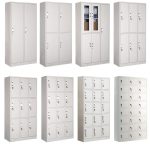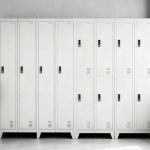

In sports venues, school athletic facilities, and fitness centers, locker selection goes far beyond merely providing storage space. While they may appear similar, athletic lockers and common lockers differ fundamentally across multiple dimensions, directly impacting user satisfaction, facility safety, and long-term operational costs.
1. Differences in Design Philosophy and Usage Scenarios
| Comparison Dimension | Athletic Lockers | Common Lockers |
|---|---|---|
| Core Design Philosophy | Optimized for athletes and high-frequency, high-intensity usage scenarios | Designed for general storage and moderate usage frequency |
| Typical Application Scenarios | Team locker rooms, school athletic facilities, professional gyms, swimming pool areas | Offices, shopping malls, public spaces, general school areas |
| Usage Frequency | Very high - used multiple times daily, nearly continuous during seasons | Moderate to low - daily commute or occasional use |
| User Base | Athletes, student-athletes, fitness enthusiasts | Employees, customers, students, general public |
2. Structural Strength and Durability Comparison
Athletic lockers must accommodate not only personal items but also damp sports clothing, bulky equipment, and frequent access. This dictates their specific structural characteristics:
Material and Thickness: Professional athletic lockers typically use 12-16 gauge heavy-duty steel, whereas common lockers may employ 18-20 gauge steel. This difference directly impacts resistance and service life.
Structural Reinforcement: To withstand potential impacts in team environments, athletic lockers often feature structural reinforcements at corners, hinge areas, and door frames, while common lockers use more economical standard construction.
Hinge Systems: Athletic lockers commonly utilize heavy-duty continuous hinges providing full-door support to prevent loosening from frequent use; common lockers may use smaller point hinges.

3. Specialized Ventilation and Humidity Management Design
Damp post-exercise equipment creates breeding grounds for bacteria, presenting a major challenge that professional athletic lockers specifically address:
Ventilation System Differences
- Common Lockers: Typically feature only basic ventilation holes or no ventilation design
- Athletic Lockers: Employ full-height ventilation designs including side ventilation panels, perforated door panels, and bottom ventilation slots, forming air convection systems
Humidity Management
- Athletic lockers for extreme humidity environments like swimming pools may use corrosion-resistant stainless steel or special coating treatments
- Some high-end models integrate active dehumidification systems or anti-mold material linings
4. Security and Specialized Storage Space Configuration
Athletic lockers must accommodate items ranging from phones to hockey equipment, necessitating more flexible and professional internal configurations:
Space Configuration Comparison
- Common Lockers: Mostly uniform cubic storage spaces
- Athletic Lockers: Provide height-adjustable partitions, specialized equipment hooks, helmet racks, and wet/dry item separation zones
Security Features
- Athletic lockers typically feature higher-security locking mechanisms, compatible with various options from traditional padlocks to electronic access systems
- For team environments, some designs incorporate coach master control systems, allowing management personnel quick access to all lockers in emergencies
5. Hygiene Maintenance and Cleaning Convenience
In team environments, hygiene issues can lead to contagious skin infections (like ringworm and MRSA), which professional athletic lockers specifically address:
Easy-Clean Design
- Seamless welded construction reduces bacterial hiding places
- Antimicrobial coatings inhibit microbial growth
- Rounded corners facilitate thorough cleaning
Hygiene Management Support
- Removable internal components allow deep cleaning
- Drainage holes permit liquid spill drainage
- Chemical-resistant surfaces withstand strong disinfectants
6. Long-Term Cost and Return on Investment Analysis
| Cost Factor | Athletic Lockers |
|---|---|
| Initial Investment | Higher - due to material and quality differences |
| Service Life | 15-25 years (with proper maintenance) |
| Maintenance Frequency | Low - durable construction with fewer issues |
| Replacement Cost/Frequency | Low - rarely need replacement during lifespan |
| Total Cost of Ownership (10-year) | Lower - initial investment amortized over longer period |
Selection Guide: Making the Right Choice for Your Facility
When to Choose Athletic Lockers:
- Facility serves sports teams, school athletic programs, or high-intensity fitness programs
- High usage frequency (multiple times daily)
- Need to store damp or large sports equipment
- Hygiene and ventilation are primary considerations
- Facility budget allows long-term investment to reduce total ownership cost
When Common Lockers May Suffice:
- Intended for employee storage, mall customer storage, or low-frequency usage scenarios
- Limited budget where initial cost is the primary consideration
- Stored items mainly consist of dry, standard-sized personal belongings
- Facility already has adequate ventilation and humidity control systems该设施已具备充足的通风和湿度控制系统
Conclusion: Professional Needs Require Professional Solutions
The differences between athletic lockers and common lockers reflect the fundamental distinction between professional equipment and general-purpose products. For any serious athletic facility, investing in specially designed storage solutions isn't merely purchasing furniture—it represents a commitment to athlete health, equipment safety, and the facility's long-term sustainable operation.