Steel Office Lockers: A Guide to Smart, Secure, and Stylish Storage
time: December 05, 2025
Share:
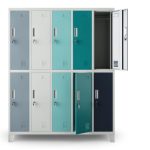
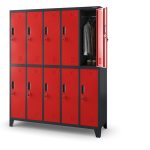
Selecting steel office lockers involves more than merely acquiring a lockable box. In a modern workplace, lockers must solve multiple problems at once: securing personal items, storing professional gear, enhancing office aesthetics, and promoting employee wellness. This guide explores various styles of steel office lockers, helping you transform your office storage from a mere accessory into a valuable asset.
Why Choose Steel Lockers for an Office?
Before exploring styles, it's essential to understand why steel remains a superior choice for the office environment.
Steel lockers outshine traditional storage options (like wooden cabinets or open shelving) in several ways:
Durability: Built to withstand daily wear and tear, steel office lockers resist scratches, dents, and moisture damage.
Security: Lockable compartments protect sensitive items like laptops, wallets, or client files.
Space Efficiency: Vertical designs maximize floor space, ideal for compact offices or open-plan layouts.
Hygiene: Easy-to-clean surfaces (e.g., powder-coated steel) promote a germ-free environment.
Modern Aesthetics: Sleek finishes and customizable colors align with contemporary office decor.
Key Steel Office Lockers Styles and Their Best Uses
Different office roles and spaces have different storage needs. The most effective locker strategy often involves mixing styles.
Designed with adjustable shelves or drawers specific to file folders and documents.
Archiving, department records, or storing confidential files. Offers organized, lockable security for paper-based materials.
Essential Selection Checklist: What to Look For
When evaluating metal lockers for your office, use this checklist to ensure you get the right fit.
1. Construction & Material Quality
Steel Gauge: Look for cold-rolled steel with a thickness of at least 0.6mm to 0.8mm. This ensures dent resistance and long-term structural integrity.
Finish: A high-quality powder-coated finish is essential. It provides a durable, scratch-resistant surface that is easy to clean and comes in various colours.
Ventilation: If storing gym clothes or damp coats, ensure the locker has louvered doors or side panels to promote airflow and prevent mildew.
2. Functionality & Features
Interior Flexibility: Adjustable shelves are invaluable, allowing the locker to adapt to different needs, from storing files to holding a large backpack.
Thoughtful Details: Features like built-in electrical outlets, ventilation holes for charging devices, or dedicated shoe compartments can greatly enhance utility.
Accessibility: Ensure the design allows for easy access. Full-opening doors and smooth-operating hinges are important.
3. Locking Mechanisms: Balancing Security and Convenience
Choose a locking system that matches your security needs and user experience goals.
Traditional Key or Combination Locks: Reliable and cost-effective for assigned lockers.
Electronic Keypad or RFID Locks: Offer high convenience for day-use lockers in hot-desking or visitor areas. Users can set their own codes, eliminating key management.
Master-Keyed Systems: Provide staff with override access for security checks or when an employee leaves, which is essential for managed facilities.
4. Design and Integration
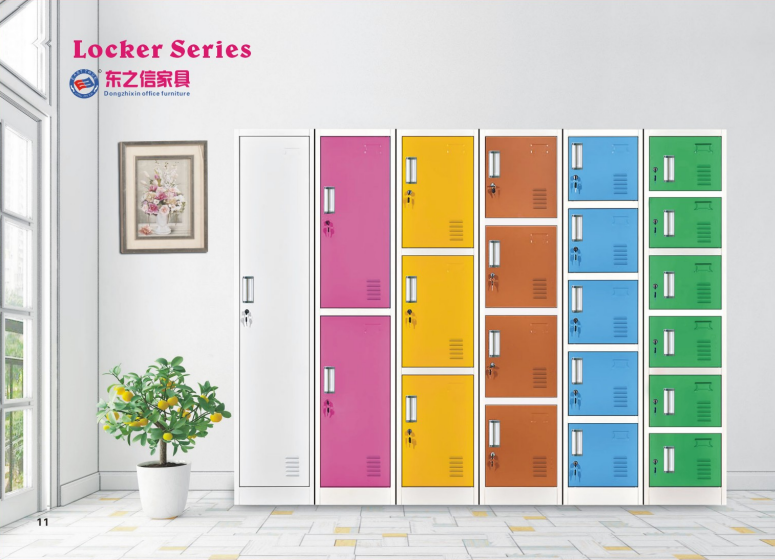
Colour and Form: Select colours that complement your office palette. Consider forms—from sleek, slab-front doors to models with handles—that align with your interior design theme.
Modularity: Modular, reconfigurable systems are a wise investment. As your team grows or office layout changes, you can rearrange or add units without replacing the entire system.
Installation and Long-Term Care
Professional Installation: Ensure lockers, especially tall or multi-bay units, are anchored securely to the wall to prevent tipping hazards. Levelling feet can help adjust for uneven floors.
Simple Maintenance: Use a soft, damp cloth for regular cleaning. Avoid abrasive cleaners. For tougher marks, a mild detergent solution is usually sufficient.
Choosing the right metal locker for your office is a strategic decision that impacts space, security, and staff satisfaction. By moving beyond a one-size-fits-all approach and selecting styles tailored to specific uses—from laminate-front lockers for the lobby to ventilated Z-lockers for the bike room—you invest in a functional, stylish, and enduring element of your workplace infrastructure.
If you have more information you would like to know, you can leave a message to us through the form below, and our staff will contact you as soon as possible